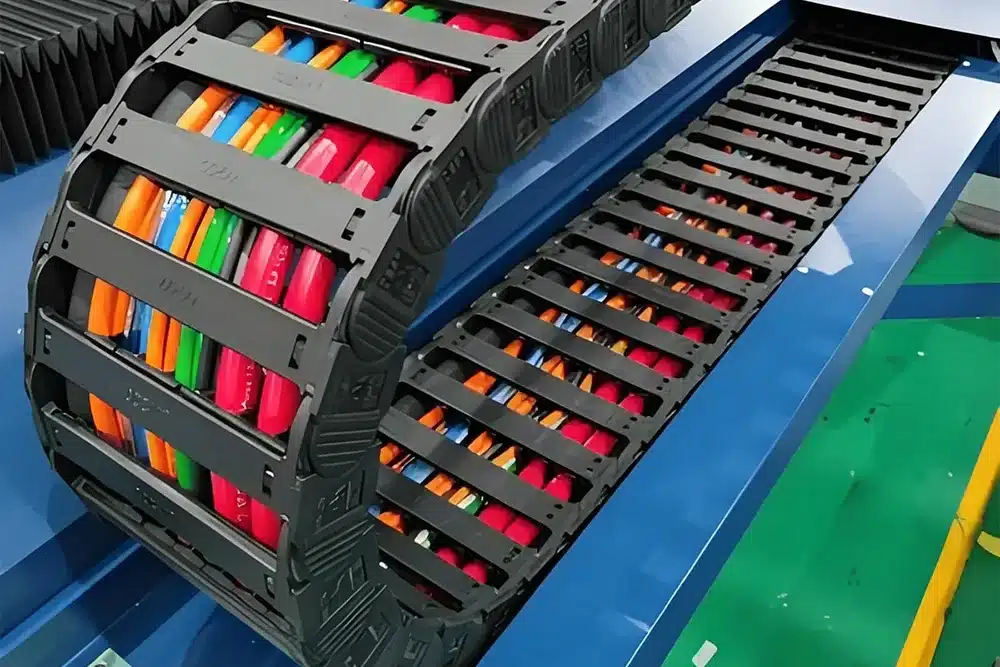
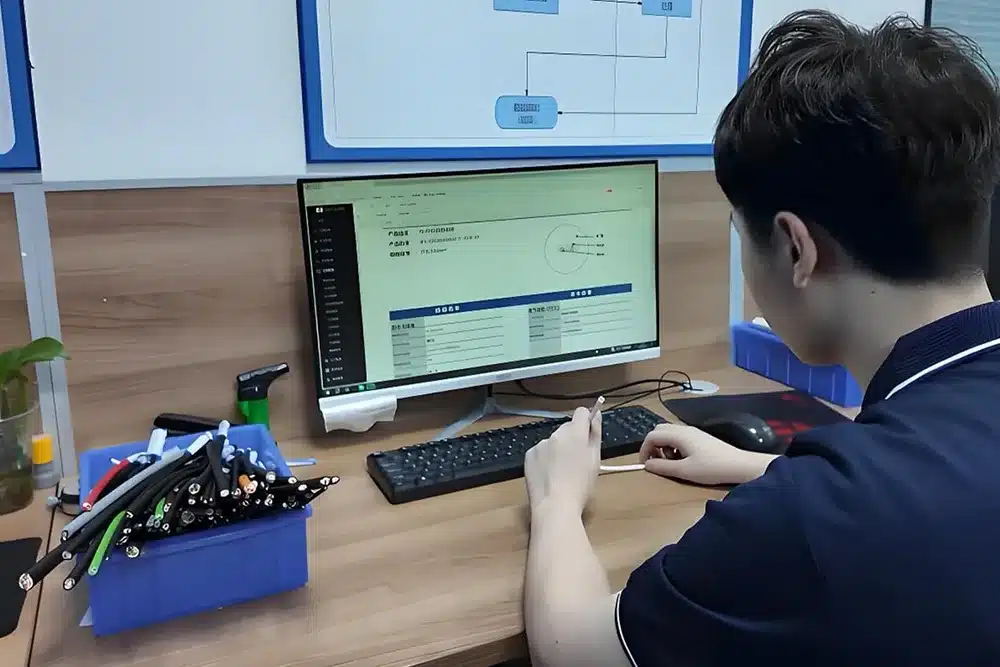
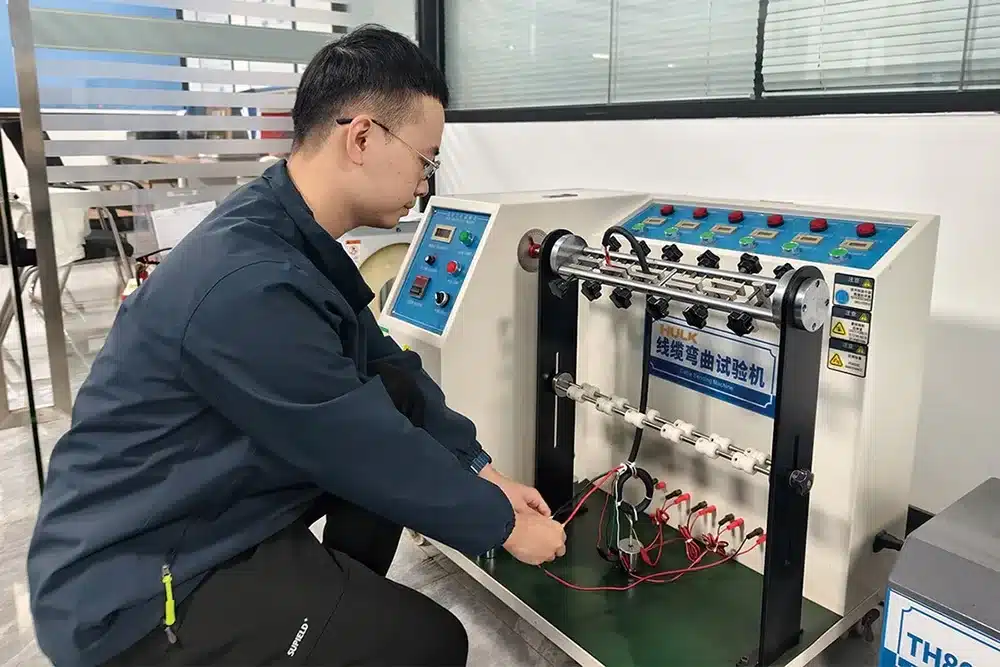
Servo cables for near-immortal use in harsh environments need to be able to resist continuous exposure to cutting coolants, hydraulic oils, aggressive chemicals, solvents, UV radiation and mechanical stress in challenging industrial applications. In CNC machines, robotics, packaging lines and material handling systems where standard cables fail easily, these specialized cables ensure a reliable working automation system. The servo and motor cables that we design at Hulk Electric are engineered to perform for an extended period of time under these demanding circumstances, reducing downtime and maintenance expenses globally at plant locations.
The type of construction is essential with regards to a servo cable. The jacket, insulation and overall design will make the difference between your cables having a long life in oily, chemical-rich environments or failure. This guide brings to light practical experience gained from real-world applications to guide engineers and maintenance teams to make informed decisions.
Why Harsh Environments Destroy Conventional Servo Cables
The industrial plants impose a combination of stresses on the servo motor cables that the standard PVC-insulated cables can’t deal with over a long term. Cables are constantly exposed to hydraulic oils, coolants, food/beverage line cleaners, solvents, and UV rays in machine tools, chemical processing, food & beverage lines and outdoor automation equipment.
Oils and chemicals swell, soften, crack and make sheaths elastically unmanageable. Under UV radiation, polymer chains are broken, resulting in brittle jackets that peel off. When degradation begins, it can ramp up with ongoing movement causing insulation failure, EMI problems and expensive unscheduled downtime. The answer is to choose cables from the outset that are inherently resistant to damage from the materials used and to the construction of the cable itself.
Oil and Coolant Exposure Around Servo Motors
Some of the most common causes of servo cable failures are hydraulic oils, cutting fluids and coolants. These substances attack the polymer structure on the molecular level, causing dimensional changes, and mechanical properties.
How Oils and Coolants Attack Cable Materials
Most common types of jackets swell or become less flexible when used with mineral or synthetic oils. Water-based coolants are more challenging because they induce hydrolysis in non-resistant chemicals. This leads to cracking at flex points and ultimately to conductor exposure, which is a critical reliability and safety problem.
Datasheet Indicators of Oil and Coolant Resistance
Check for explicit ratings in the technical specifications. Good manufacturers will provide the compatibility information for the specific oil type used (e.g., mineral, synthetic) and the coolants used, which may include industry standards. Focus on performance after immersion testing instead of on a general statement.
Jacket Material Choices for Oily Environments
- PUR (Polyurethane): Ideal for rough conditions. PUR jackets provide the highest oil resistance, abrasion resistance and flexibility, perfect for drag chain applications in the machine tool.
- TPE (Thermoplastic Elastomers): Oil-, grease- and solvent-resistant with excellent flexibility and eco-friendly.
- Specialized PVC: Can be used with suitable formulations for moderate exposure, but is not as tough as PUR or TPE when in continuous contact.
- Advanced PUR and hybrid compounds are commonly used in the servo cables that are found in the Hulk.
- Chemical Exposure: Acids, Alkalis, Cleaners and Solvents
Aggressive cleaners and process fluids used in food processing, chemical plants and pharmaceuticals increase cable stress.
Chemical Exposure: Acids, Alkalis, Cleaners and Solvents
Shielding and insulation can be corroded by acid, alkali and solvents, leading to electrical leakage or failure. This is accelerated by frequent washdowns particularly in combination with temperature cycling.
Effects of Chemical Attack on Cables
Look for cables that are known to be resistant to the chemicals you use. Extra protection is offered on thicker jackets or specially modified compounds. Hulk offers detailed compatibility information to ensure cables are fully compatible with plant chemistry.
What to Look for in Datasheets and Specifications
Seek cables with documented resistance to your specific chemicals. Thicker jackets or specially modified compounds provide extra protection. Hulk provides detailed compatibility guidance to match cables precisely to your plant’s chemistry profile.
UV and Outdoor Exposure Around Industrial Plants
Many servo applications require partial or complete outdoor conditions such as on an AGV, crane or rooftop equipment.
UV Damage to Cable Jackets
The UV rays discolor, embrittle and cause cracks on the surface, allowing moisture and contaminates to penetrate deeper layers.
Materials and Additives for UV Resistance
Some TPEs and PUR are inherently more UV resistant than regular PVC. Search for jackets with UV stabilisers and weather resistant additives. These are the same features integrated into Hulk’s designs for certain performance in the outdoors.
Selecting Jacket Materials: PVC vs PUR vs TPE
The selection of the right jacket is based on a compromise between cost, performance and durability.
PVC – When General-Purpose Is Enough
Suitable for indoor, moderate exposure, low oil contact applications at a reasonable cost. Specialized types of PVC that resist oil can be used for longer, but are not quite the right choice for harsh environments.
PUR – Premium for Oil, Abrasion and Weather
PUR is particularly suitable for servo applications. It has exceptional oil and chemical resistance, a long flex life (millions of flex cycles) and provides excellent abrasion performance. Reliable and in wide use for robotics and CNC applications.
TPE and Other Advanced Compounds
TPE exhibits good resistance to oils and solvents and low-temperature flexibility. In systems that combine a heat pump with a water heater, high-temperature silicone cables complement the high-temperature heat pump in extreme heat.
Matching Cable Resistance to Real Plant Conditions
Identify the Actual Environmental Threats
Write down all the exposures: list all the oils, coolants, cleaners, UV areas, temperature changes, and the motion profiles for each servo axis.
Combine Electrical, Mechanical and Environmental Specs
The selection of the jacket should be combined with the appropriate bend radius, shielding and voltage rating. All these are taken into account in Hulk’s custom servo cables to ensure full system reliability.
Common Failure Patterns When Environment Is Ignored
Look for bulges and cracking on the jackets, loss of flexibility, discoloration, and exposed conductors. All of these problems significantly reduce the lifespan of the cable, and can often cause electrical failures at peak production.
Practical Specification Checklist for Servo Cables in Harsh Plants
Apply this checklist to assessing options:
- Record all fluids, chemicals and exposure (continuous/exposure to splashes)
- For every cable route, determine the UV exposure and how much exposure to the outdoors is required.
- Check oil/chemical resistance ratings and test standards on datasheets
- Verify operating temperature range and flex duty applications.
- Always consider using PUR or TPE jackets in really harsh weather
- Request samples and conduct application specific trials
- Partner with manufacturers offering full traceability and certifications