
Silicone & Special Material Extrusion
HULK manufactures silicone-insulated, silicone-jacketed and application-specific industrial cables using controlled extrusion processes engineered for demanding temperature, flexibility and electrical performance requirements.
From conductor preparation and material processing to extrusion, curing, dimensional verification and final testing, we control the critical manufacturing stages required to turn specialized cable compounds into consistent, production-ready cable constructions.

Precision Extrusion Starts With the Cable Application
In an industrial cable, insulation and jacket materials are not simply protective coverings. Their thickness, concentricity, flexibility, curing condition and interaction with the conductor or underlying cable core can directly influence electrical reliability, mechanical performance and long-term service life.
This becomes particularly important when working with silicone and other specialized cable materials.
Compared with conventional general-purpose cable compounds, silicone rubber requires carefully controlled processing and curing to achieve a stable finished layer around the conductor or cable core. The extrusion process must also account for conductor geometry, insulation wall thickness, cable diameter, required flexibility and the operating environment of the finished cable.
At HULK, material extrusion is therefore treated as an engineering process rather than a cosmetic manufacturing step.
Our extrusion capability supports the production of industrial cables intended for high-temperature environments, continuous movement, automation equipment, control systems and other applications where standard cable constructions may not provide sufficient performance.

Our Silicone Extrusion Capability
Silicone extrusion can be engineered for individual conductor insulation, complete cable jacketing and fully customized OEM cable constructions.

Silicone Insulation Extrusion
Silicone insulation can be applied directly around individual conductors where electrical insulation must remain flexible across demanding temperature conditions.
The extrusion process is controlled to maintain a stable insulation layer while minimizing unnecessary variation in wall thickness and finished conductor diameter.
This capability is particularly valuable for high-temperature silicone wires, internal equipment wiring and customized industrial cable constructions.

Silicone Outer Jacket Extrusion
For multicore or shielded cable constructions, silicone can also be engineered as the outer protective jacket.
The jacket must surround the underlying cable core evenly without compromising flexibility or introducing excessive mechanical stress into the finished cable.
HULK evaluates cable diameter, internal construction, shielding configuration and application requirements before determining the appropriate jacket design.

Custom Extruded Cable Constructions
Not every industrial application can be addressed using an existing standard cable structure.
For OEM and equipment manufacturers, HULK can combine conductor design, insulation, shielding, fillers, wrapping layers and jacket materials into a custom cable construction designed around the actual application.
This allows extrusion decisions to be made as part of the complete cable design rather than as an isolated production step.

A Different Material Requires a Different Manufacturing Approach
Silicone rubber is widely used in electrical wire and cable applications where conventional materials may be limited by temperature, flexibility or environmental conditions.
However, achieving those advantages depends heavily on how the material is processed.
The extrusion line must form a continuous and consistent layer around the conductor or cable core. After extrusion, the silicone compound must be properly cured according to the selected material system and process requirements so that the final insulation or jacket develops the intended mechanical and electrical properties.
For this reason, HULK focuses on four areas throughout silicone cable manufacturing:
| Manufacturing Focus | Why It Matters |
|---|---|
| Material consistency | Supports stable extrusion behavior and repeatable finished cable properties |
| Dimensional control | Helps maintain insulation wall thickness, cable diameter and concentricity |
| Controlled curing | Allows the extruded silicone layer to develop the required finished structure |
| In-process inspection | Identifies dimensional or surface abnormalities before the cable proceeds to later manufacturing stages |
The objective is not simply to extrude silicone faster. It is to produce a stable cable construction that performs consistently from one production batch to the next.
Material Capability Beyond Standard Cable Compounds
Industrial cables operate in very different environments.
A cable installed inside a high-temperature machine has different material requirements from a cable running through a drag chain, a control cabinet or an automated production line.
HULK therefore approaches special material extrusion according to the complete application rather than selecting a jacket material based only on cost or appearance.
Depending on the cable specification, our engineering team can evaluate application-specific insulation and jacket requirements including high-temperature resistance, flexibility, flame-retardant requirements, halogen-free requirements, abrasion exposure, oil contact, mechanical movement and environmental conditions.
Where a specialized compound is required, material selection is coordinated with conductor construction and overall cable design before the manufacturing specification is finalized.

High Temperature
Flexibility
Flame Retardancy
Halogen-Free Requirements
Abrasion Exposure
Oil / Environmental Exposure
This helps prevent a common engineering problem: selecting a material with attractive datasheet properties that does not perform correctly once it becomes part of the complete cable.
From Conductor to Controlled Finished Layer
Extrusion is managed as part of a coordinated cable manufacturing process, beginning with the application and continuing through dimensional and quality verification.
Application Review
The project begins with the actual operating conditions.
Our engineering team reviews voltage, temperature, movement, installation environment, cable dimensions, conductor requirements and applicable certification targets.
Cable Construction Design
The conductor, insulation, shielding, filling, wrapping and jacket layers are defined as one coordinated cable structure.
Extrusion dimensions are established according to the overall construction.
Material Selection
The insulation or jacket compound is selected according to electrical, thermal, mechanical and compliance requirements.
For custom projects, the selected material must also be compatible with the intended manufacturing process.
Extrusion Setup
Production parameters are established around the cable geometry and material requirements.
The objective is stable material flow and a consistent extruded layer around the conductor or cable core.
Curing and Stabilization
Where required by the material system, the extruded layer proceeds through the appropriate curing process before subsequent cable manufacturing operations.
Dimensional Inspection
Wall thickness, outer diameter and other specified dimensional characteristics are checked during production.
Electrical and Quality Testing
The finished conductor or cable proceeds through the required inspection and testing procedures before release to the next manufacturing stage or final production approval.

Where Specialized Extrusion Makes a Difference
HULK’s silicone and special material extrusion capability supports cable constructions used across demanding industrial environments.

High-Temperature Equipment
Silicone cable constructions can be engineered for equipment operating in environments where standard cable materials may lose flexibility or service performance.

Industrial Automation
Control systems, sensors, actuators and automated machinery often require compact cable constructions that combine reliable electrical performance with long-term flexibility.

Robotics and Motion Systems
Where cable movement is part of the application, insulation and jacket materials must work together with conductor stranding and overall cable structure.

Machine Tools
CNC machines and manufacturing equipment can expose cables to heat, movement, oil, mechanical stress and restricted installation spaces.

Electrical and Control Equipment
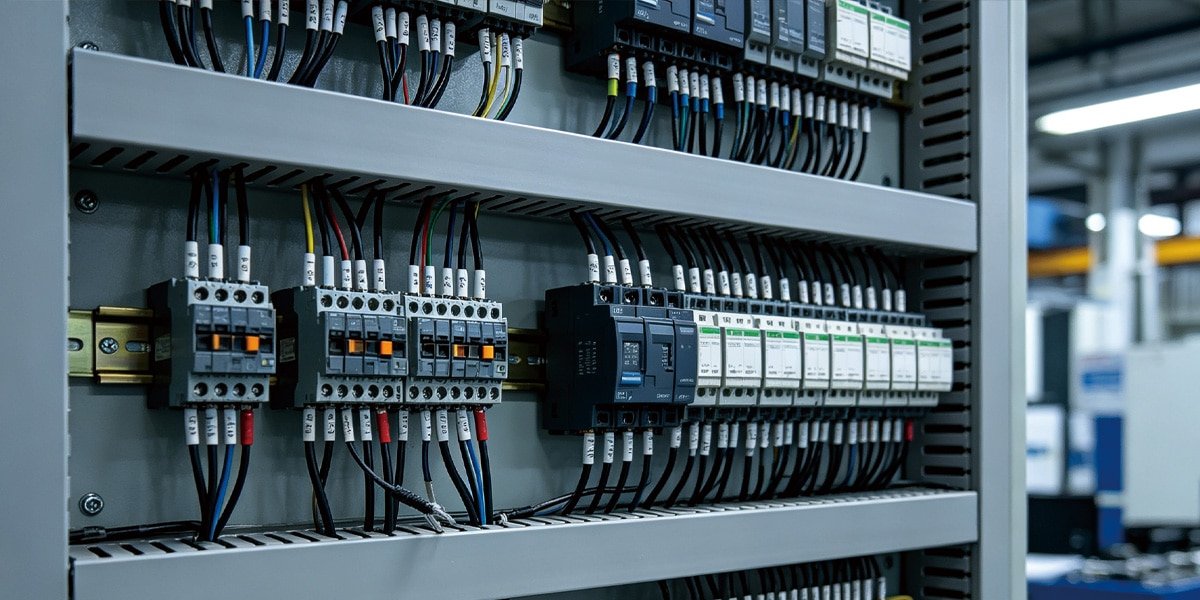
Specialized wires and cables may be required inside control cabinets, heating equipment, electrical assemblies and OEM machinery.
Custom OEM Equipment
When the cable becomes an integrated part of a machine, standard catalog cables may not match the required dimensions, materials, routing conditions or certification requirements.
In these applications, extrusion must be engineered as part of the complete cable system.
Built Around the Requirements of the Finished Cable
HULK manufactures high-temperature silicone cable solutions designed for operating conditions from -60°C to +200°C, depending on the cable construction and applicable specification.
But temperature rating alone does not define cable quality.
The conductor design, insulation thickness, cable structure, shielding, jacket design and manufacturing consistency must all support the intended application.
This is why our silicone extrusion capability is integrated with cable engineering rather than operated as an independent material process.
For customers developing heaters, industrial machinery, automation equipment, electrical assemblies or other temperature-sensitive systems, our engineers can evaluate the complete cable construction before production begins.
The result is a cable designed around the operating environment rather than a generic wire with a silicone covering.

Engineering the Cable Around Your Equipment
Many custom cable projects begin with a requirement rather than a drawing.
An OEM may need a cable with a specific diameter, temperature rating, conductor configuration, shielding structure, jacket material, flexibility level or certification.
HULK can support this development process from the initial specification stage.
Our engineering team evaluates the relationship between:
Once the cable structure has been defined, the extrusion process can be engineered around the approved design.
This reduces the risk of treating material selection, extrusion and cable construction as separate decisions.


Extrusion Quality Must Be Verified, Not Assumed
A stable extrusion process is only one part of cable manufacturing.
The finished insulation or jacket must also be inspected and tested against the applicable cable specification.
HULK operates an in-house testing system with more than 30 testing instruments and over 150 types of tests across our product range.
Depending on the cable design and project requirements, verification may include dimensional measurements, electrical testing, mechanical evaluation, temperature-related testing, flame-related testing, flex testing or customized application testing.
This connection between manufacturing and laboratory verification allows engineering feedback to return directly to the production process.
For custom cable development, testing requirements can also be incorporated into the project before mass production begins.
Extrusion Is Part of a Complete Cable Manufacturing System
HULK is not simply an extrusion supplier.
We design and manufacture complete industrial cable solutions, allowing extrusion engineering to be coordinated with the stages before and after it.

Integrated Cable Engineering
Material selection, conductor design, insulation, shielding, jacketing and testing are evaluated as parts of one cable system.
Custom Manufacturing Capability
Cable dimensions, conductor configuration, colors, shielding structures, jacket materials and certification requirements can be developed around OEM applications.
High-Temperature Cable Experience
Silicone cable manufacturing is part of our established product capability for applications requiring flexibility across demanding temperature ranges.
In-House Testing
Production and testing operate within the same manufacturing system, supporting faster technical feedback and more consistent quality control.
Global Compliance Support
HULK manufactures industrial cable products for customers requiring UL, CE, TÜV, RoHS, REACH, IEC and other applicable international compliance requirements.
Production-Scale Manufacturing
Our 15,000 m² manufacturing facility supports both customized cable development and repeat production for industrial customers worldwide.
Explore the Engineering Behind HULK Industrial Cables
Explore the engineering disciplines that work together with extrusion to create complete industrial cable constructions.

Cable Design
See how conductor structure, shielding, dimensions and cable architecture are engineered around the application.

Material Selection
Understand how insulation and jacket materials are evaluated according to temperature, movement, mechanical stress and environmental exposure.

Core Cable Manufacturing Technologies
Explore the manufacturing processes used to transform engineered cable designs into production-ready industrial cables.

