The lifelines of modern industrial automation are sensor and actuator cables that carry accurate signals, ensuring robots, PLCs, motors and vision systems operate seamlessly. These cables are exposed to constant stress in the harsh conditions of moisture, oil, vibration, chemicals and extreme temperatures. Maintenance teams in harsh industrial environments will receive a valuable practical inspection and maintenance checklist for sensor and actuator cables to help them avoid problems early, avoid unnecessary downtime and boost the life of the cable.
With more than 20 years of experience in producing sensor and actuator cable with high flexibility, at Hulk Electric we have assisted plants in 30+ countries in optimizing cable performance in challenging conditions. This guide provides a tried and tested checklist specifically for engineers and technicians.
Why Cables Need Special Attention in Harsh Environments
Industrial facilities expose sensor and actuator cables to conditions that ordinary wiring cannot withstand. Understanding these challenges is the first step toward proactive maintenance.
How Harsh Factory Conditions Accelerate Cable Wear
Washdowns, harsh oils and chemicals, continuous vibrations from machinery and temperature changes all lead to crack in jackets, loss of insulation, and fatigue in conductors. CIP/SIP cycles are common in food & beverage plants and the number of bending cycles required by robotics and material handling are in the millions.
Downtime and Safety Risks from Cable Failures
One malfunctioning sensor cable can cause a production line to shut down, resulting in expensive downtimes, safety concerns and possible regulatory breaches. By conducting routine inspections, it is possible to avoid these issues and ensure a smoother audit process.
Checklist Section 1 – Visual Inspection
Conduct visual inspections on routine rounds to identify any damage that is readily apparent before it becomes a problem.
Cable Jackets and Insulation
Examine jackets for cracks, cuts, swelling, discoloration, abrasions, or flat spots. Look for water in the insulation around the glands. Keep colour coding and labels easy to read for ease of trouble shooting. These jackets are made with high-flex PUR and TPU jackets designed to provide the abrasion and chemical resistance necessary for such uses.

Connectors, Terminals and Glands
Check connectors for corrosion, loose pins, damaged seals, or misaligned connections. Check for debris and tightness in the verify glands in case of ingress.
Routing and Physical Hazards
Check for pinch points, sharp surface contact, or for the improper routing near moving parts. Remove any debris buildup and avoid cables in areas that fluids might collect.
Checklist Section 2 – Mechanical and Routing Integrity
Correct installation is key to cable longevity in dynamic applications.
Bend Radius, Strain Relief and Flex Zones
Ensure that cables have recommended bend radii, particularly in torsion or linear motion areas. Ensure strain relief at connectors (Don’t pull on terminations).
Cable Carriers, Conduits and Protection
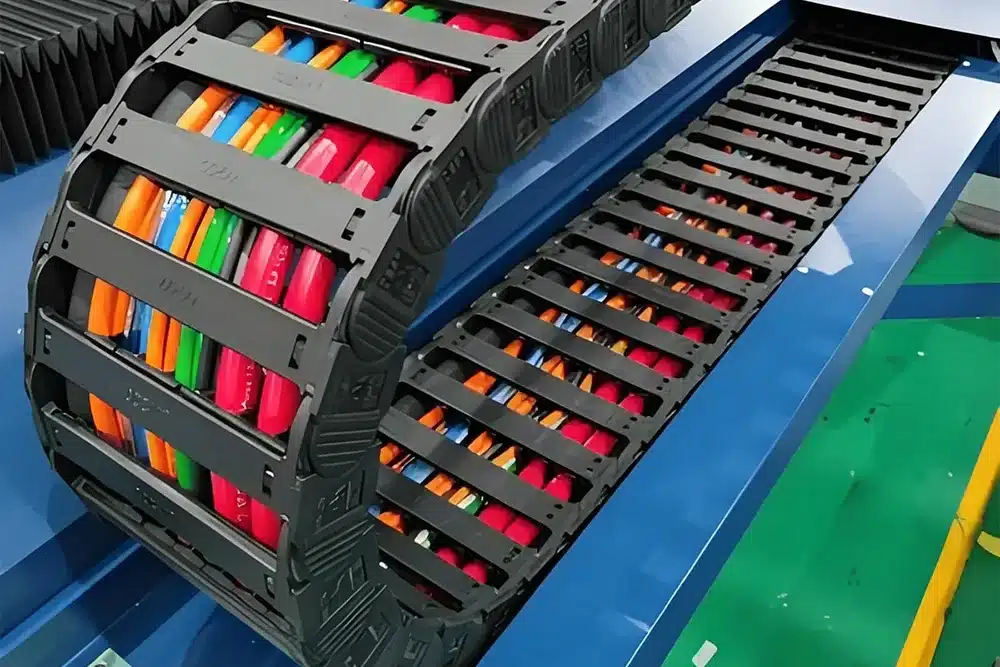
Inspect dynamic cables for smooth operation in carriers or conduits. Check protective sleeving in areas of high abrasion and replace as necessary.
Vibration and Movement Sources
Recognize cables close to vibrating equipment and isolation of equipment. Check for too much slack or loose fixings on robot arms. Capable of multi-axis motion with built in durability, Hulk’s robot & torsion cables are superb.

Checklist Section 3 – Electrical and Signal Verification
Electrical testing ensures reliability of signals beyond visual tests.
Continuity, Resistance and Insulation
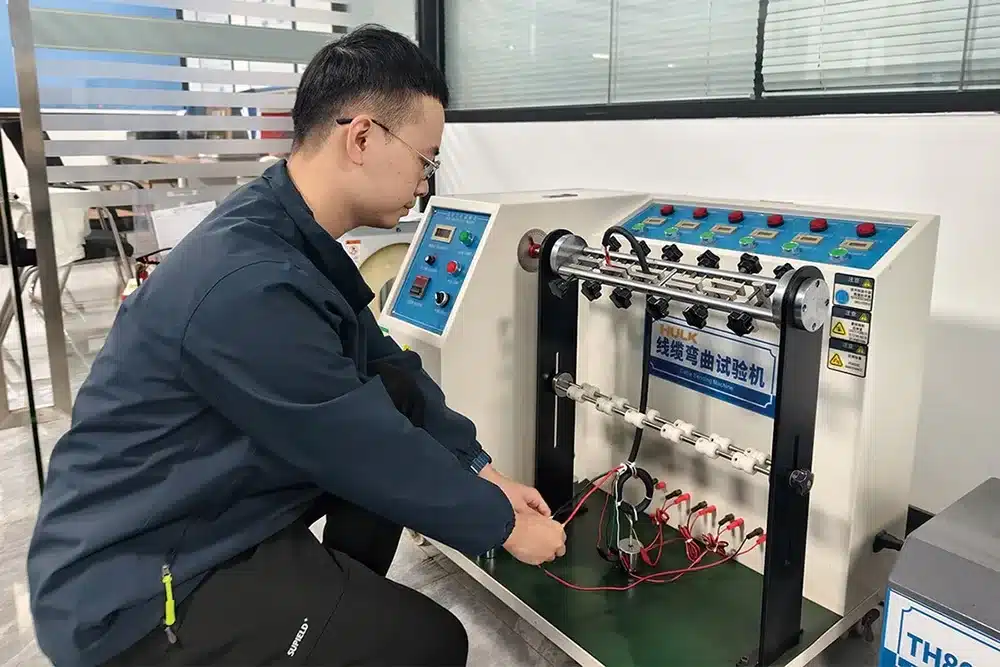
Test for continuity and measure insulation resistance with a multimeter. Beware of critical loops.
Signal Integrity and Noise
Check for variable signals or EMI. The correct selection of shielding for Hulk’s industrial Ethernet and fieldbus cables provides clean data transmission.
Connector Compatibility and Locking
Make sure connectors are firmly fitted, secure and not incompatible with device connectors.
Checklist Section 4 – Environmental Resistance and Cable Type
Correlate cables to their true use.
Moisture, Chemical and Oil Exposure
Verify jackets and IP ratings for local exposure. Hulk provides halogen-free and chemical-resistant specialised compounds for washdown and oily environments.
Temperature and UV Resistance
Check ratings for ambient and process extremes. UV-stabilized versions don’t deteriorate in outdoor or illuminated environments.
Jacket Material Suitability
Use abrasion resistant PUR/TPU in high wear areas and high flex designs for continuous motion. The sensor & actuator cables are designed to meet these very requirements.

Checklist Section 5 – Documentation, Trending and Predictive Signals
Use inspections to inform decisions.
Maintenance Records and Calibration Logs
Document replacement and trends for specific cable runs in your CMMS.
Visual, Thermal and PD Inspections
Use thermographic scans to identify hot spots or insulation problems.
Smart Connectors and Harnesses
For applications with high duty, think of advanced options with diagnostics for predictive maintenance.
Suggested Inspection Intervals and Roles
- Daily/Weekly Operator Checks: Rapid visual and operational checks.
- Monthly/Quarterly Technician Inspections: Detailed mechanical and electrical tests.
- Annual Engineering Reviews: Update requirement according to process changes.
Now that you’ve done this inspection and maintenance procedure for sensor and actuator cables in a tough industrial environment, you can help reduce failures and maximize uptime. Hulk Electric offers you sensor and actuator cables which are customized to offer you high flexible sensor cable, with UL, CE, TÜV certifications, to overcome these challenges.
Provide the necessary information for your application to our team for personalized recommendations and quick sampling. Help you create automation systems that are more reliable.