The selection of the right cable in challenging industrial settings can be the difference between a successful and expensive failure. In cold weather, silicone cables are especially flexible and do not become brittle like many other cable insulations. With more than 20 years’ experience in high-performance silicone cables, Hulk Electric can assist engineers and plant operators in choosing the cable that is reliable under cold conditions, whether in cold environments like refrigeration plants, or in the outdoors in extreme climates for automation.
This guide will outline the comparison of the behaviour of silicone cables at low temperatures with other materials such as PVC, the science behind cable flexibility, the issues with installing silicone cables, and practical recommendations based on these.
Why Low-Temperature Performance Matters for Industrial Cables
Cables are found in many industrial applications where they may be subjected to continually or intermittently low temperatures. These conditions are found in outdoor automation systems, cold-region installations, refrigerated warehouses, wind turbines and transportation equipment.
Cold exposure may significantly affect flexibility, brittleness, and cracking of the insulation or mechanical failure. These problems result in lost productivity, safety risks and increased maintenance expenses. Opting for cables designed to perform in low-temperature conditions is an effective way to ensure reliable and compliant service in harsh environments for long-term use.
Silicone Cable Performance at Low Temperatures
Temperature Range and Flexibility
Standard silicone cables from Hulk have an effective temperature range of -40°C, with many industrial grade silicone cables rated to -60°C and some specially formulated cables to as low as -90°C. However, silicone rubber is non-stiff and doesn’t crack under colder conditions, unlike many materials.
This keeps the flexibility intact, enabling safe bending, routing and operation even in extreme cold environments such as continuous cold storage or in industrial areas with freezing temperatures.
Molecular Basis for Low-Temperature Performance
The special Si-O backbone of Silicone gives it an extremely low glass transition temperature (approx. -115°C to -120°C). In this regard it remains elastic and mechanically stable at typical service temperatures, which is above its glassy-brittle state.
The silicone cables used by Hulk are highly resistant to cold and repeated flexing without breaking and are also very fine.
Combined Effect of Silicone Rubber and Stranded Conductors
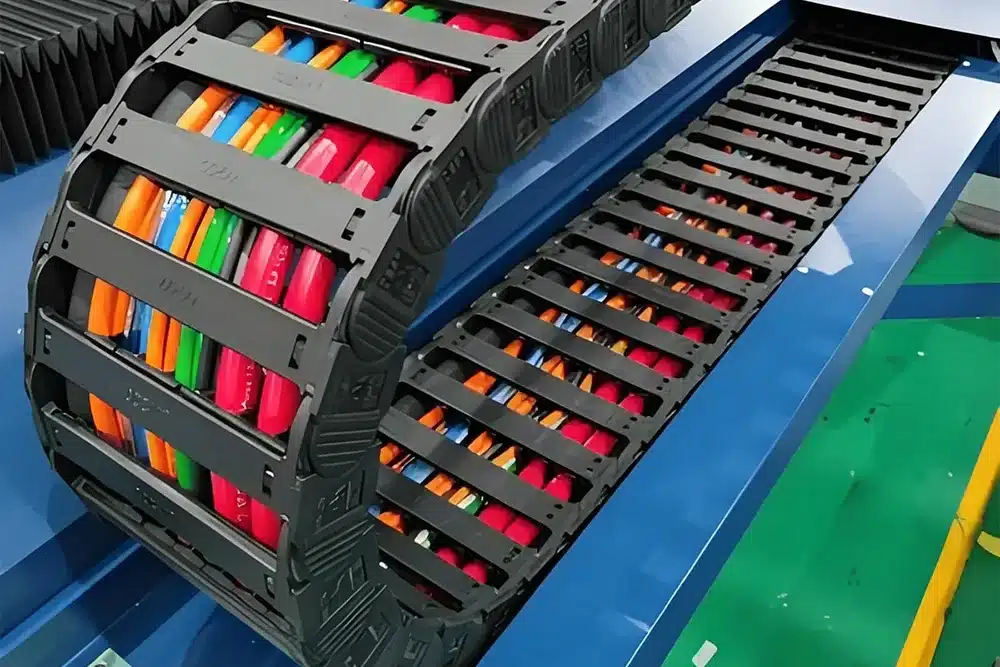
Combined with high flex stranded tinned copper conductors, this soft silicone insulation provides top performance. These cables are ideal for robotics, drag chains or portable equipment in refrigerated or outdoor environments, because of this construction.
Comparing Silicone with PVC and Other Insulations at Low Temperatures
PVC and Other Thermoplastics in Cold Conditions
Common PVC insulation material may get rigid and brittle at low temperatures and crack during installation or use. It has a smaller range of temperatures than silicone and is therefore not as well suited for extremely cold temperatures.
Silicone vs PVC Cold Flexibility and Brittleness
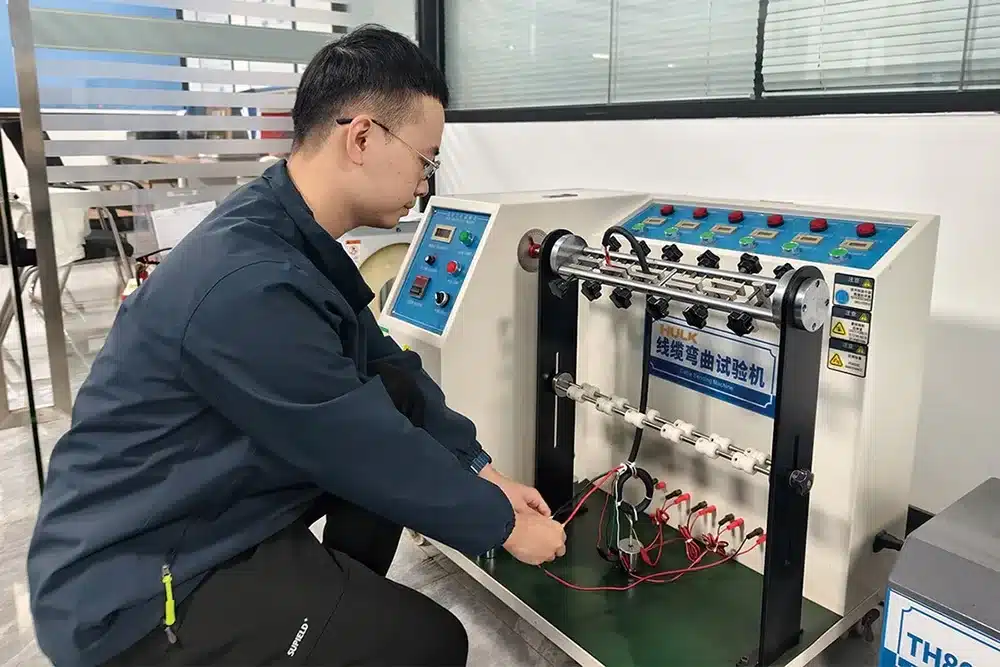
Silicone cables remain flexible and do not crack at sub-zero temperatures and PVC becomes much stiffer at sub-zero. Cold flexibility testing is an ongoing test of silicone’s superiority over PVC particularly in repeated bends.
Other Rubber and XLPE Options
There are also several differences, such as the fact that general rubber cables are capable of withstanding a wider range of temperatures than PVC cables, and XLPE might be suitable for certain mechanical or oil-resistance requirements. But in many industrial automation and food processing applications, silicone is still the choice of material for an optimum blend of extreme low-temperature flexibility and high-temperature resistance.
Installation Challenges with Silicone Cables in Cold Environments
Handling and Bend Radius at Low Temperatures
To avoid kinks and/or stress points during cold installation, always adhere to cable’s minimum bend radius, even when the cable is very flexible.
Uncoiling, Routing, and Mechanical Protection
Uncoil cables carefully, avoid sharp edges and abrasion and use strain relief. In freezing conditions, additional mechanical protection for cable trays or penetrations promotes long term integrity.
Connector and Accessory Considerations
Low temperature performance is a total system requirement. Ensure seals and terminations will stay reliable by using the same cold ratings for match connectors, glands, and accessories.
Application Examples – Where Low-Temperature Silicone Cables Excel
Outdoor and Cold-Region Installations
Hulk silicone cables have proven to be effective in outdoor automation, wind energy and infrastructure applications in cold environments where they can withstand temperature fluctuations without adversely affecting performance.
Refrigerated and Cold-Room Environments
In food processing, cold store and refrigerated warehouses these cables are used in control systems and sensors where cold temperatures are the norm.
High-Flex and Moving Systems in Cold Conditions
Our torsion and high-flex silicone cables are ideal for clean performance in chilled facilities with low bend radius, even in cold conditions, and are applicable in robotic arms and moving equipment.
Practical Checklist – Choosing and Installing Silicone Cables for Low-Temperature Service
- Determine minimum ambient temperatures and operating conditions, such as cold start.
- Check silicone cable ratings (standard rating -40°C, industrial rating -60°C, special rating lower).
- Discuss flexibility and brittleness when it comes to flexing applications, as compared to PVC or other alternatives.
- Plan routing to avoid bending and to avoid damage.
- Identify compatible cold rated connectors and accessories.
In conclusion, choosing the right silicone cable for cold temperatures can significantly minimize risks, enhance durability, and guarantee seamless performance. Our advanced manufacturing, strict testing (including low-temperature endurance) and custom engineering at Hulk Electric (Dongguan) Co., Ltd. enables us to produce cables that are perfectly suited to your requirements. Provide information on your application (temperature range, flex cycles, etc., or environment) and our team will provide an optimum solution.