Compared with legacy heat-resistant wiring, selecting the appropriate custom silicone cable for high temperature production lines can significantly minimize failures, downtime and maintenance costs. A client of ours for food processing has a line of continuous thermal processing equipment and after upgrading from aging PVC-based and generic high temp wires to specially designed high temp silicone cables, the reliability and operational efficiency was measurable. This case study discusses the practical issues, engineering solutions and outcomes of this situation, to benefit other plant engineers and OEMs who encounter similar situations.
With more than 20 years of experience in producing high temperature silicone cable, we have helped many cable manufacturers to improve the quality of their critical cable in harsh temperature conditions. Our bespoke solutions are designed for extreme conditions and are flexible, safe and compliant.
Background – Legacy Heat-Resistant Wiring in a High-Temperature Production Line
The client’s high volume line for food processing contained several oven and thermal processing zones. The legacy wiring was predominately standard PVC insulated and basic rubber heat resistant cables that had been in service for years. The circuits operated sensors, controls, heaters and drive systems that were subject to steady temperatures of 150-200°C close to the hot zones as well as to thermal cycling, vibration, and limited space to route through in machines.
At first it was enough but as production needs grew and operating equipment longer shifts the wiring started to reach its limits.
Problem – Failure Modes and Operational Pain Points
Thermal Degradation and Brittleness of Legacy Wiring
Exposure over a long time resulted in insulation hardening, cracking, and flexibility loss. Local hot spots were often the cause of high temp wires, PVC or generic, to exceed the continuous ratings, causing them to degrade faster, protrude conductors, and fail electrically.
Routing and Flexibility Constraints in Hot Equipment
Keeping legacy cables from tangling and getting caught around ovens and machinery was problematic. This led to stress concentrations at bends and strained terminations and increased risk of mechanical damage during maintenance or minor layout change.
Downtime, Maintenance, and Safety Issues
Cable replacement downtime increased and began to add to costs of maintenance and production. Safety issues also emerged due to potential overheating and electrical issues in the vicinity of the food contact surfaces, which made auditing and compliance difficult.
Solution – Designing a Custom Silicone Cable Retrofit
Selecting Silicone Rubber as the New Insulation Platform
High-quality silicone rubber cables were chosen due to their high-temperature performance and reliability. Hulk’s silicone compounds will retain flexibility and electrical characteristics from -60C to +200C continuous (and well above for short duration) making them suitable for applications where previous materials failed in oven, kiln or thermal processing applications.
Customizing Conductor, Stranding, and Core Configuration
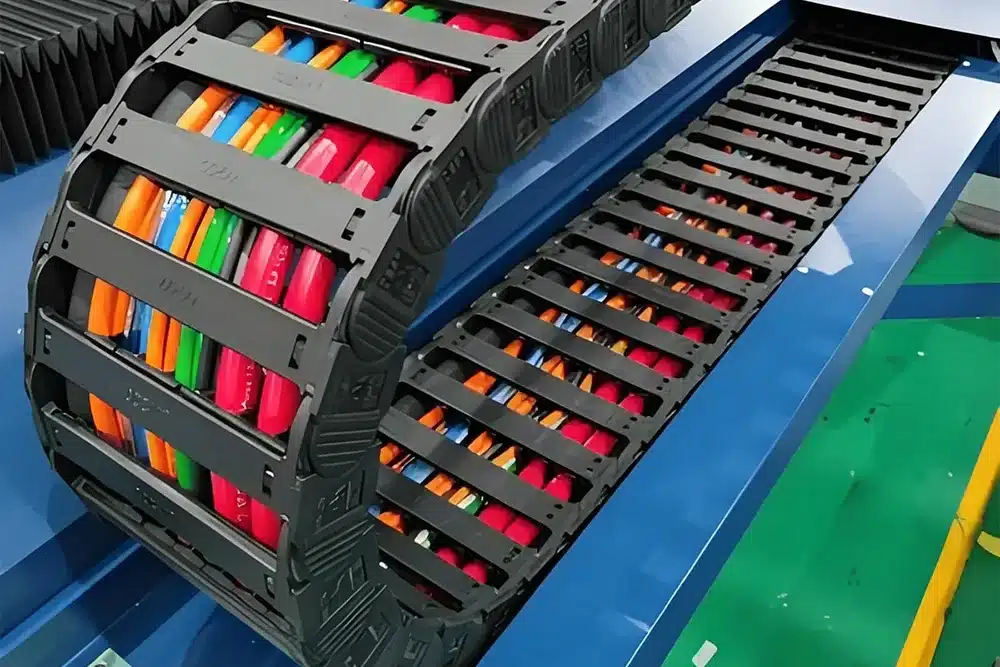
The cables were designed with tinned copper conductors, optimized cable numbers for maximum flexibility, and multi-core designs based on the voltage, line current, and signal requirements. The design was such that it integrates drop in to existing connectors and enhanced the bend radius and vibration resistance.
Matching Connectors, Routing, and Safety Requirements
All safety functions, including automatic shut-off circuits, were retained and the cables were custom-made to replace the original ones. Greater flexibility meant to improved routing through difficult areas, minimizing stress and facilitating future equipment changes without having to worry about rewiring.
Implementation – From Sample Cables to Full Retrofit
Prototyping and Validation
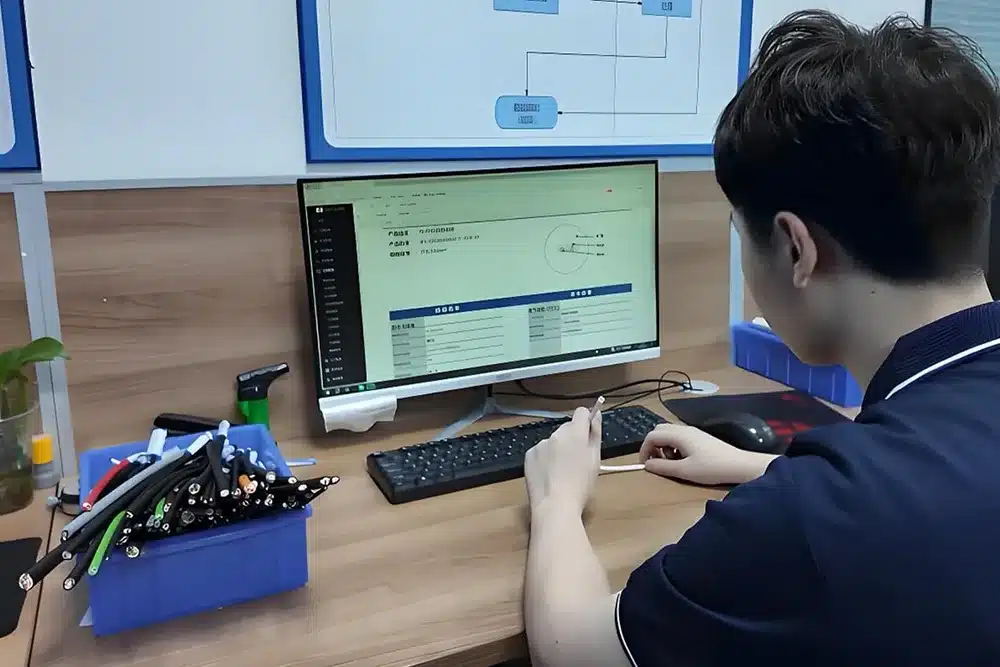
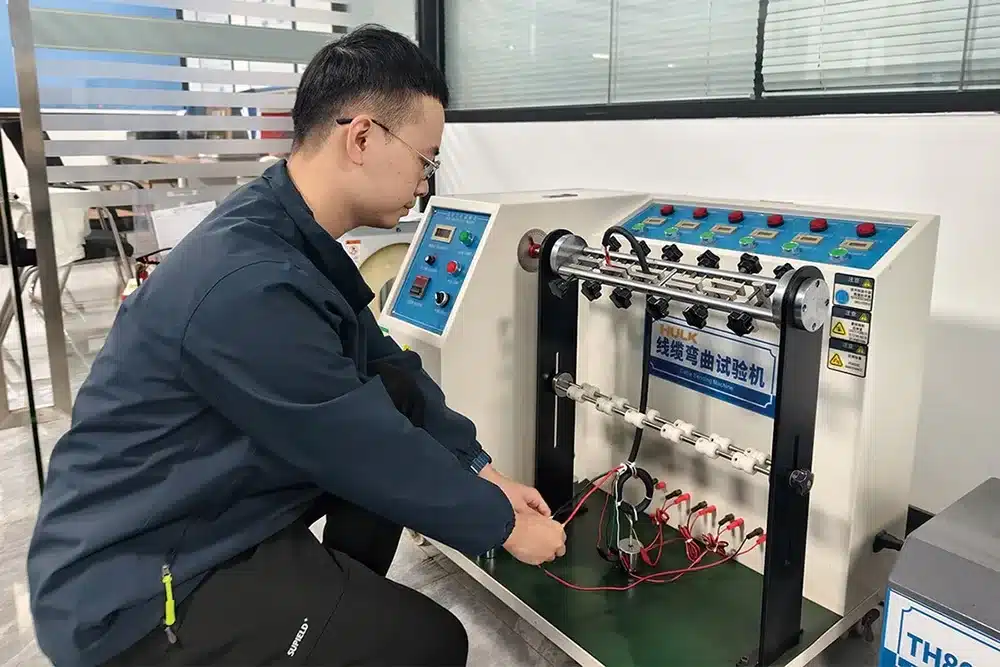
Hulk provided fast samples in 7 days. The client used them in pilot sections to test the product for real conditions and assessed the thermal performance, flexibility, electrical integrity and compatibility for full production and cleaning cycles. Data and photos were used to demonstrate better success prior to full deployment.
Rollout Across High-Temperature Zones
Installation started in the hottest areas first, progressing to other critical circuits. The drop-in design reduced downtime and most changes took place in scheduled downtime periods.
Results – Reliability, Uptime, and Safety Improvements
Reduced Cable Failures and Maintenance
After the upgrade, cable failures have significantly decreased. Silicone’s high heat resistance and high chemical resistance resulted in a downtime reduction of about 50-60% and significant reductions in emergency maintenance for the client in the year ahead compared to industry averages.
Improved Flexibility and Routing Options
The new custom silicone cables were a major advantage for flexibility, installation and reducing strain. This created a possibility for additional line optimizations in the future without being restricted by cable.
Enhanced Safety and Compliance
High-heat regions saw reduced electrical fault risks because of stable insulation. The cables conformed to relevant UL, CE, RoHS and food-grade compatible requirements, which helped to simplify audits and ensure safer operations in the processing area.
Lessons Learned – When to Upgrade Legacy Heat-Resistant Wiring
Recognizing When “Standard Heat-Resistant” Is No Longer Enough
Common indicators are multiple failures in hot areas, exposed insulation cracking or discoloration, routing problems and increased maintenance. High temperature silicone cables can be significantly more durable when local temperatures get close to, or above, 150°C for extended periods.
Importance of Application-Specific Engineering
It is the ability to work closely with seasoned manufacturers such as Hulk that bring success. Detailed duty profiles (temperatures, routing, chemicals, cycle data) allows for truly optimized custom solutions and not just generic products.
Viewing Upgrades as Lifecycle Investments
The cost of custom silicone cables is a small price to pay, but the benefits in terms of lower downtime, maintenance and safety quickly make up for the investment, especially on high-demand production lines.
Hulk Electric (Dongguan) Co., Ltd. is specialized in high temperature silicone cables, and customized industrial solutions designed for practical use. We have an up to date facility, careful testing and international certifications for consistent results.
Have problems with wiring on your high temperature production lines, let us know your parameters. We will design and provide silicone cable solutions that are custom-made to help keep your operations running smoothly.