Ensuring silicone cable routing is proper for high temperature equipment and work areas is critical for long-term reliability, electrical performance and safety. Hulk Electric’s high temperature silicone cable is highly flexible and durable enough to be used in extreme heat up to 200C, but even the highest quality cables can perform poorly or fail prematurely if routing doesn’t consider the mechanical and thermal parameters.
Over 15 years of field-proven expertise supporting automation, robotics and processing equipment manufacturers around the globe, we share best practices that you can use to implement directly in your operation. Whether you’re creating compact control panels, oven systems or dense machinery, these guidelines are designed to help you maximize cable life, minimize downtime, and meet industry standards.
Why Routing Matters for Silicone Cables in Hot, Confined Equipment
In high temperature areas such as ovens, furnaces, food processing lines, compact industrial machinery, there are usually close spaces and high temperatures. Though the silicone cables are very flexible and have great thermal resistance, they can still develop kinks, strain, localized overheating, or abrasion, due to poor routing, which can shorten their service life and cause insulation to breakdown.
By carefully planning, the cable jacket and conductors are protected, signal integrity is maintained, and the maintenance is easier, thus reducing the total cost of ownership for OEMs and plant operators.
Understanding Bend Radius for Silicone Cables
What Minimum Bend Radius Means and Why It Matters
The minimum bend radius is the smallest radius to which a cable can be bent without damaging its jacket, insulation or internal conductors. If the limit is exceeded (even with very flexible silicone) it can cause the internal stress, micro-cracks or deformation of the conductors, which will cause electrical problems over time.
Typical Bend Radius Guidance for Silicone Cables
In general, the bend radius for all high flex silicone cables is 4-15 times the cable’s outer diameter, depending on construction, stranding and intended use. Please refer to the specific technical data provided by Hulk for the series of cables you are looking at – the finer the stranding the tighter a safe bend may be possible on the cable with our high-flex variants.
Planning Routes to Respect Bend Radius in Confined Spaces
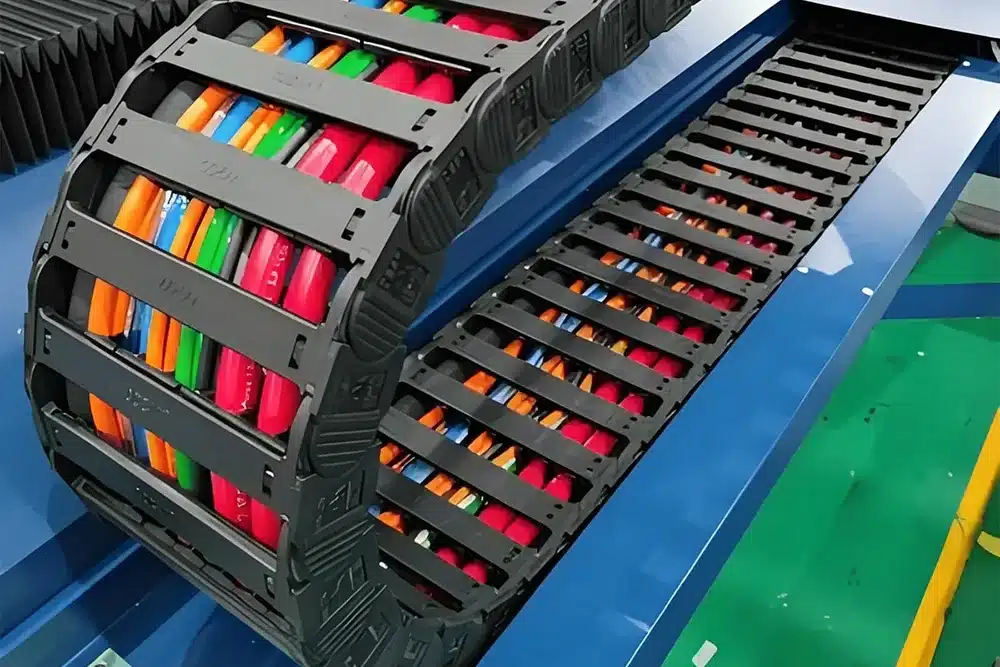
Draw cable routing as early as possible in the design process. Avoid sharp turns and corners, and add cable guides, trays or clips to keep things moving smoothly. Test-fit routes in prototyping in tight enclosures to minimize rework in the field.

Managing Proximity to Heat Sources and Thermal Protection
Avoiding Direct Contact with High-Temperature Surfaces
Separation from the hottest elements is beneficial even to the heat-resistant silicone. Run cables through cooler portions of chassis or use standoffs to keep clear of heating coils, exhaust or oven walls.
Using High-Temperature Sleeving and Shields
Use compatible high temp protective sleeving or thermal shields around high temps where cables are required. Hulk can suggest matching materials to make sure the material remains flexible yet also provides additional protection against radiant heat and abrasion.
Controlling Hotspots and Airflow in Confined Designs
Don’t obstruct ventilation routes or direct vents over any hotspots. Structured cable trays ensure uniform heat distribution and ensure pathways are accessible.
Mechanical Protection and Support in Tight Spaces
Preventing Abrasion, Cuts, and Crush Damage
Sharp edges, moving parts are common hazards in confined equipment. Use grommets, edge guards or flexible conduit to protect silicone jackets at panel entries and high-wear areas.
Supporting Cables to Avoid Sagging and Strain
Tie or clamp non-pinching, high temp cables at regular intervals. Strain at terminations can be prevented by proper support, particularly in environments of vibration or thermal cycling.
Using Suitable Management Hardware in Confined Equipment
Select items that are compact, small raceways and heat-resistant clips to suit restricted areas and bend radius, and ensure future access.

Signal Integrity and Separation in High-Temperature Routing
Separating Power and Signal Cables
Avoid large concentrations of power cables near sensitive data or sensor lines to reduce the amount of electromagnetic interference and heat accumulation in the power cables.
Maintaining Shielding Effectiveness in Tight Spaces
Carefully design entry points and terminations to ensure continuity of shields and to prevent unnecessary compression and sharp bends which could affect performance.
Practical Routing Workflow for Silicone Cables in Hot, Confined Equipment
Step 1 – Map Temperature Zones and Hazards
Recognize hot spots, moving points, sharp edges and access points.
Step 2 – Define Cable Paths with Bend Radius and Heat Clearance
Plan sweeping routes with proper support points and clearances.
Step 3 – Add Protection and Management Hardware
Use sleeving, clamps and trays as necessary.
Step 4 – Label and Document
Clearly label cables and maintain routing diagrams for maintenance.
Step 5 – Inspect After Installation and Periodically
During commissioning and routine service, inspect for proper bend radius, abrasion, discoloration or heat damage.
Conclusion: Optimize Your Silicone Cable Installations for Maximum Reliability
By observing the following routing best-practices, your high-temperature silicone cables will provide the long service life and performance that your Hulk customers expect, even in the most extreme confined and hot locations. Design for X helps in avoiding costly failures and contributes to smoother operations in industries such as industrial automation, robotics and material processing.
Our engineering team at Hulk Electric (Dongguan) Co., Ltd. can provide customized silicone cable solutions, technical instructions, and suggestions depending on the specific application. Tell us your equipment setup, temperature ranges, and available space, and we’ll get you the appropriate right cables for your reliable, long-term setup needs.