While silicone cables are known for their high-temperature capabilities and flexibility, harsh industrial environments can also affect their reliability due to exposure to chemicals, oils, and contaminants. Proper selection of the right cable made from silicone needs to take into consideration how the material interacts with the silicone and avoid swelling, cracking or electrical failures that could prevent production lines.
We have been producing custom high temperature silicone cables for more than 20 years at Hulk Electric, and we have supported engineers from a variety of industries to guarantee that their cable solutions will be capable to resist challenging environments. This guide delves into real-world applications of the effects of chemicals and oils on silicone insulation and jackets, providing practical information to help engineers make a more informed choice and minimize downtime.
Why Chemical and Oil Exposure Matter for Silicone Cables
Cables are often subject to harsh chemicals in industries such as chemical processing, metalworking, food & beverage, pharmaceuticals, etc. Everyday things like cleaning agents, lubricants, hydraulic fluids, solvents, and process oils. If not properly resistant, insulation and jacketing will become compromised, causing safety, uptime and compliance issues.
As a result of a mismatched cable, failures can occur without cause, maintenance costs can rise, and production losses can result. These interactions can be understood and then engineers select long-term solutions that are appropriate for the environment in which they will be used.
What Silicone Rubber Offers in Harsh Environments
Chemical Resistance Strengths
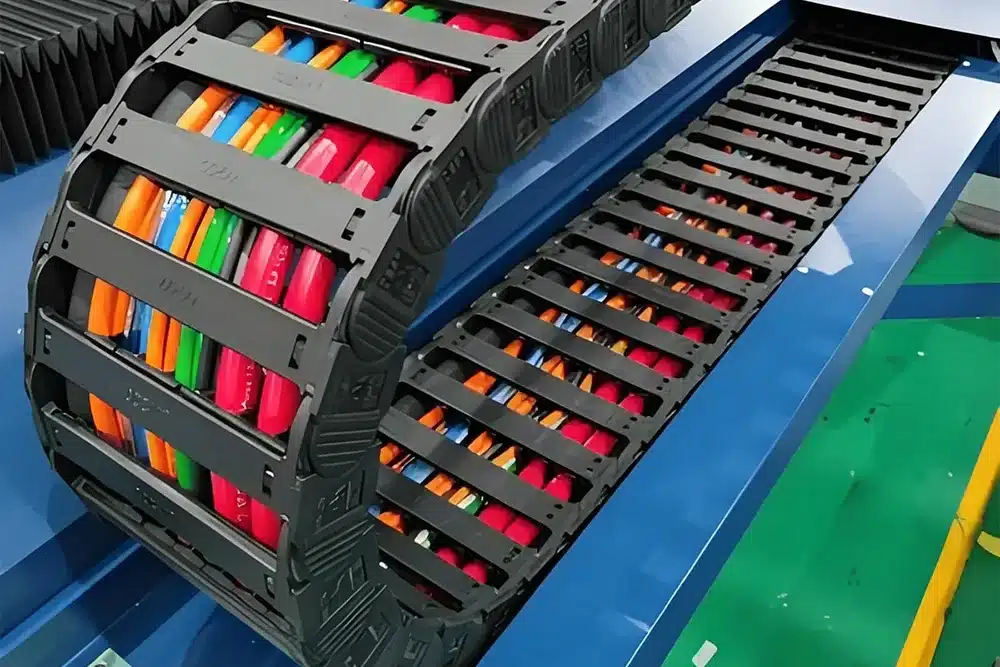
High temperature silicone cables are outstanding because they have a natural resistance to a wide range of chemicals, such as some oils, solvents, ozone, and moisture. The silicone formulations we employ often use platinum cure which is very effective in moderate exposure applications. This makes them well suited for use in applications that demand heat resistance (to 200°C or more) and the flexibility of moving parts such as robotic arms or drag chains.
Environmental Advantages Beyond Chemicals
In addition to chemical resistance, silicone cables are also highly resistant to UV, ozone and aging. They are tolerant of large temperature changes and are able to withstand high-cycle movement without splitting, which is advantageous for servo, motor and robot cables in harsh automation applications.
How Oils, Solvents, and Contaminants Can Degrade Silicone
Swelling, Softening, and Reduced Strength
Some petroleum oils and strong solvents can absorb into silicone products, resulting in softening and swelling. This makes the mechanical properties change, causing them to become weaker, less elastic with time. This is dependent upon the formulation, exposure time and concentration.
Visible Damage Modes Under Oil and Chemical Exposure
Common signs include:
- Loss of plasticizers or fillers causes the jacket to be brittle (cracking).
- Swelling: Noticeable increases in cable diameter from fluid absorption.
- Softening/tackiness: leading to poor handling and/or adhesion problems.
- Discolouration: First sign of chemical reaction and long term performance.
These problem areas are more severe in continuous immersion or high contaminant areas.
Limitations in Oil-Rich Environments
While silicone is effective against numerous chemicals, it may need to be treated with certain other substances, or chemically reinforced and modified, if it is exposed to heavy petroleum products. When this happens, silicone inner insulation combined with oil-resistant outer jackets (such as some PUR and fluoropolymer jackets) provides increased durability.
Impact on Electrical Performance and Safety
Swelling and cracking cause deterioration of insulation and decrease its ability to provide an insulating barrier, which leads to a higher chance of shorting or arcing or ground fault. Mechanical wear can exacerbate these issues, especially in high-motion environments, causing unexpected downtime or safety hazards. These risks can be reduced and reliable operation can be maintained in control cabinets, machine tools and material handling systems by using the right selection.
Designing Silicone Cables for Chemical and Oil Exposure
Start with Temperature and Fluid Exposure as Primary Selection Criteria
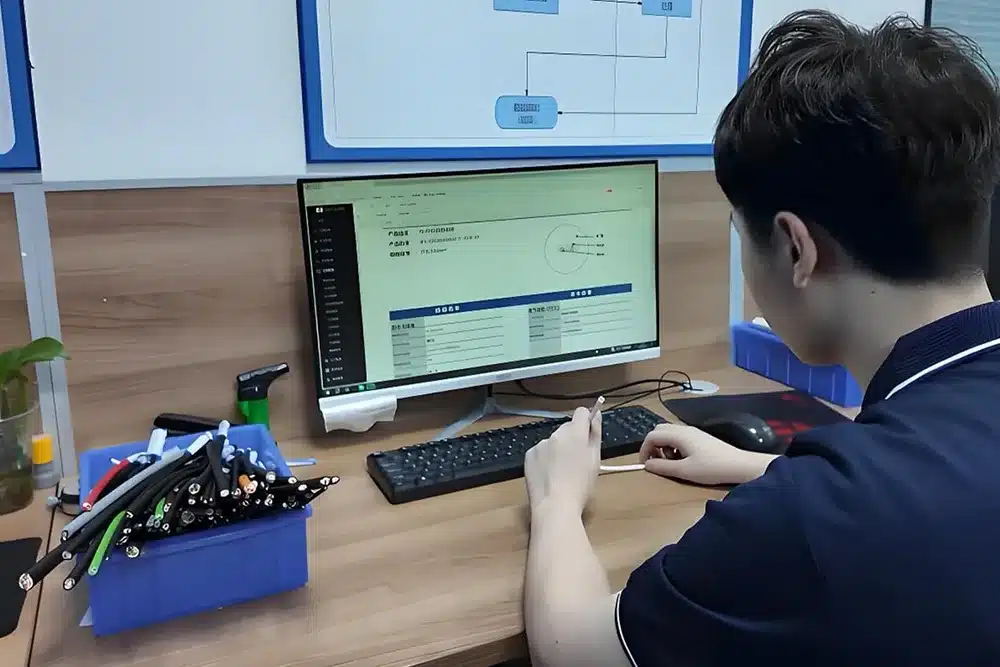
First, define your environment, such as continuous exposure vs. splash, operating temperature, and specific chemicals that are involved. This data is used by Hulk’s engineering team to suggest the best compounds to use in order to create custom cables.
Use Specialty Formulations and Hybrid Constructions Where Needed
We also have specialty silicone hight temp cables available for difficult applications—such as high temperature and chemical resistance. We have an array of halogen-free and RoHS-compliant products for global markets.
Consider Connectors, Glands, and System-Level Resistance
For full system integrity, use accessories that are compatible with and oil resistant. Provide full solutions from cable to connection for extreme environment.

When Silicone Is the Right Choice—and When It Isn’t
Good Use Cases for Silicone Under Chemical Exposure
Our silicone cables are ideal for food processing (when food grade compliant), pharmaceuticals and moderate chemical environments where high heat or torsion loads are required, like our robot cables and sensor cables.
Scenarios Where Alternative Oil-Resistant Cables May Be Better
While silicone cables are widely used in a variety of applications, they are particularly suitable for harsh industrial environments. Here is a practical checklist to help you specify silicone cables for harsh industrial environments.
Practical Checklist – Specifying Silicone Cables for Harsh Industrial Environments
- Monitor exposure levels and duration as well as temperature profiles.
- Ensure compatibility of compounds by referring to the manufacturer’s detailed information.
- Take hybrid designs into account or protective jackets for increased resistance.
- Make sure connectors and glands are compatible with the cable performance.
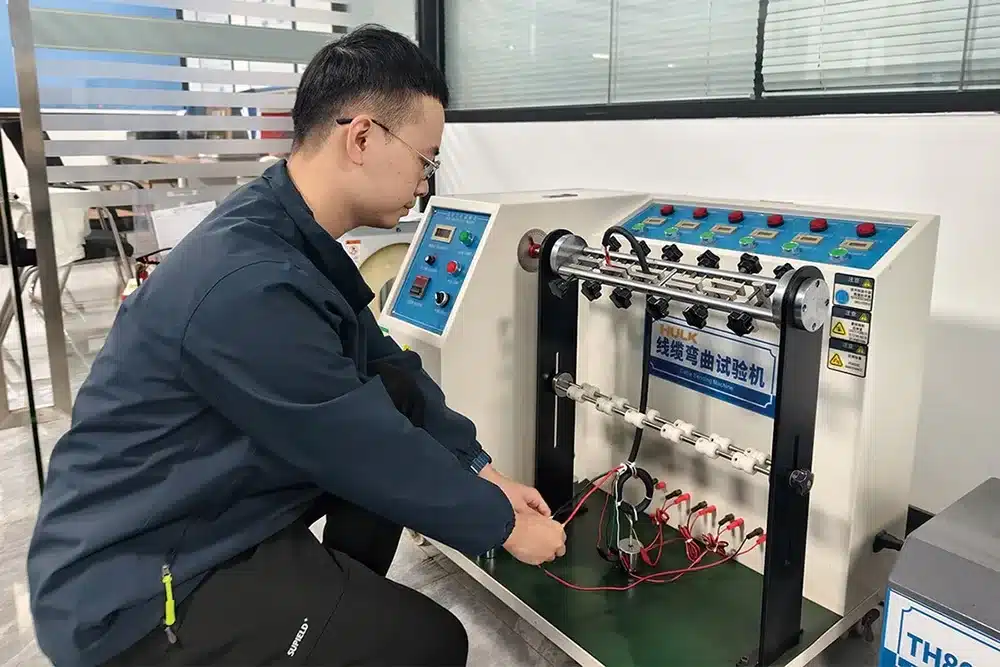
- Collaborate with a trusted supplier such as Hulk to engineer and test the product.
The careful selection of chemical and oil resistant high temperature cables is a matter of balancing material properties and application realities. Plants concentrate on tried and tested formulations and practical testing which results in longer service life and fewer failures, as well as better compliance.
We have a 15,000㎡ production line and 150+ engineers at Hulk Electric (Dongguan) Co., Ltd. to develop custom industrial cables for the most challenging applications. The parameters are shared and we provide you with reliable and certified solutions according to your needs.