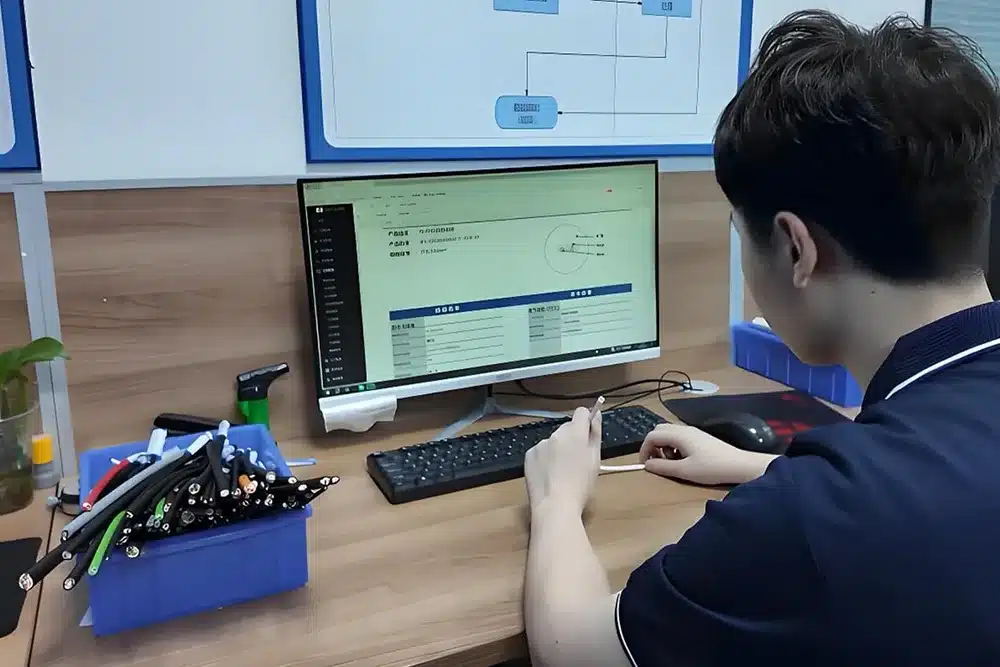
Selecting the appropriate prototype testing for custom silicone cables is critical in guaranteeing that the cable will fulfill necessary temperature resistance, flexibility and electrical performance requirements before entering into full production, in rough industrial situations. Our specialty at Hulk Electric is producing high temperature silicone cables that are suited for all conditions, including robotics and automation, food processing lines, and more. Good prototyping identifies problems early on in the process before they become expensive problems, and ensures that the final product will perform well when used under real-world conditions, such as temperature extremes, repeated flexing and high-voltage demands.
This guide provides practical insights gained from our more than 20 years of custom cable manufacturing, and how to design and execute an effective prototype program that can validate design and help ensure long term success for the engineer and OEM.
Why Prototype Testing Is Critical for Custom Silicone Cables
Silicone cables are frequently used in demanding environments, such as high temperatures up to 200°C, close bend radius in mobile machines, or low signal levels in automation applications. Not taking the time to get the prototype right could result in unforeseen reductions in performance, downtimes or safety problems once in place.
Prototypes enable actual testing of material selection, conductor configuration, shielding and jacket design. Testing can help teams to improve their specifications, meet standards such as UL758, and verify that the cable will perform consistently over its life. Minimizes costly changes in full production and instills confidence for high stakes applications.
Defining Test Objectives – What You Need to Verify
The first step in successful prototype testing is to set up clear goals, specific to the application.
Temperature Resistance Across the Intended Range
Certain high temperature silicone cables can usually withstand continuous use at -60℃ to +180℃ to +200℃ and beyond, depending on the specific compound. The prototypes have to exhibit stable mechanical and electrical characteristics throughout duty cycles, including very fast thermal swings, which are typical of industrial equipment.
Flexibility, Routing, and Mechanical Durability
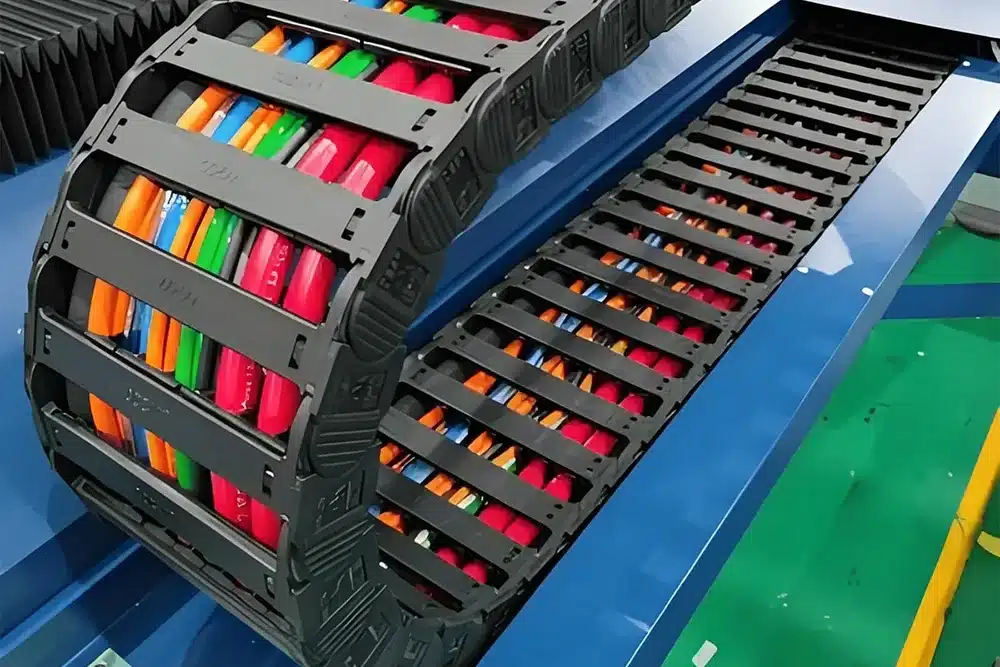
The flexibility of silicone is one of its major benefits for robot torsion cables, drag chain applications and servo motor assemblies. Prototypes are used to demonstrate resistance to repeated bending, stresses during installation, and resistance to cracking/loss of elasticity in low temperatures.
Electrical Performance – Insulation, Leakage, and Signal Integrity
Tests should be performed to check insulation resistance, dielectric strength, and signal quality particularly for shielded or twisted pair designs as applied to industrial Ethernet, Fieldbus, or sensor cables. This guarantees safe operation under high temperature and mechanical stress conditions.
Temperature and Environmental Prototype Tests
High temperature reliability of silicone cable is built on thermal performance.
High- and Low-Temperature Endurance and Cycling
Exposure of prototype samples under multiple temperature cycles in environmental chambers. Take measurements to determine flexibility, insulation properties and physical changes. Cold bend tests ensure the cable does not become brittle at low temperatures and long term testing by cycling at high temperature ensures it is stable.
Thermal Aging and Long-Term Performance Indicators
Accelerated aging tests replicate years of service by subjecting cables to high temperatures and then tensile, elongation and electrical testing. These can show up potential problems such as hardening and loss of flexibility or insulation resistance in time to make adjustments to formulations.
Environmental Exposure – Moisture, Chemicals, and UV (Where Relevant)
Test prototypes for resistance to humidity, oils, cleaning agents and ozone, based on the end-use (food & beverage or outdoor automation). Silicone’s inherent properties are evident here but certain compound modifications can enhance performance in the more extreme environments.

Flexibility and Mechanical Prototype Tests
Mechanical durability means that cables can withstand continuous motion in automation systems.
Flex Cycle Testing and Bend Radius Validation
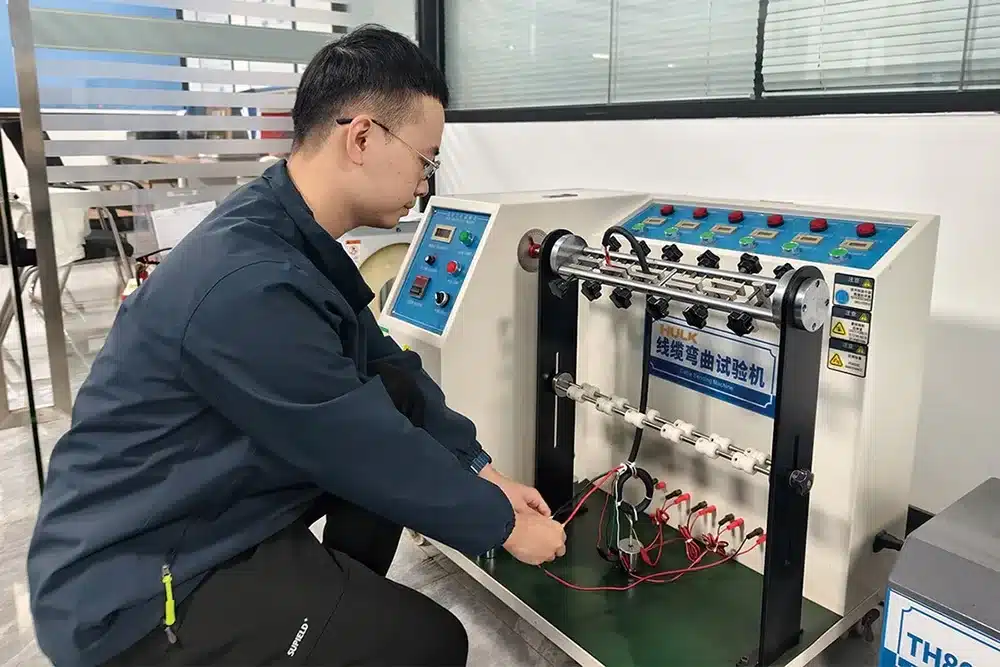
Test prototypes with a flex tester designed for this purpose thousands or millions of cycles following the motion profile of the application. This certifies the durability of the jacket and integrity of the conductor within high-flex drag chain and robot cable.
Strain Relief, Pull, and Crush Tests
Test the strength of terminations with pull tests and the toughness of the jackets with crush resistance. These verify that the assembly will not be adversely affected by the forces from installing and operating it.
Routing and Integration Trials in Actual Equipment
Test real routing issues, bends and connector compatibility in prototypes installed in representative machinery or mockups. This step can help resolve practical problems that were not apparent on CAD drawings.
Electrical Prototype Tests
Electrical validation is to assure safety and signal reliability.
Continuity, Insulation Resistance, and Dielectric Withstand
Basic continuity, high voltage dielectric and insulation resistance tests at operating temperature. The tests affirm the reliability of the silicone insulation under thermal stress.
Signal Integrity and Noise Performance for Shielded Designs
Test impedance, crosstalk, signal quality for Industrial Ethernet (CAT5e/CAT7A), Fieldbus or sensor cables. Prototypes are used to optimize shielding and twisting for clean data transmission in industrial environments with noisy interference.
Functional, Polarity, and On–Off Tests
Test complete assemblies for correct wiring, polarity and operation before scaling up production.
Using Standards and Qualification Frameworks
Coordinate testing in line with standards for valid results.
Leveraging UL758 and Related Standards for Silicone Cables
UL758 offers comprehensive testing procedures for silicone wires, both thermal and mechanical, electrical and chemical. Even if not fully certified, the following requirements guarantee prototype products are ready for the high-temperature industry.
Distinguishing Qualification Tests from Production Tests
Prototype qualification is for the overall design, whereas production testing is to ensure consistency. If a strong qualification is complete early on, there will be no problems downstream.
Practical Prototyping Strategies for Custom Silicone Cable Projects
Get a head start and prototype quickly.
Start with Concept Prototypes Using Standard Materials Where Appropriate
To validate pinouts, wire lengths, and initial routing, use off-the-shelf wires first and avoid custom silicone.
Move to Silicone Prototypes for Environmental and Durability Validation
Lock concepts and create silicone prototypes for full environmental and mechanical testing.
Iterative Refinement Before Volume Manufacture
Utilize test data for conductor stranding, shielding, jacketing thickness or material for fine-tuning, minimizing risk and optimizing cost.
Prototype Testing Checklist for Custom Silicone Cables
- Define clear objectives covering temperature, flexibility, electrical, and environmental performance.
- Plan comprehensive thermal tests including cycling, aging, and cold bend.
- Conduct mechanical flex, pull, crush, and routing trials.
- Execute full electrical validation at operating conditions.
- Align with UL758 and application-specific standards.
- Document results thoroughly and iterate designs.
- Validate final prototypes in real equipment before mass production.
At the Hulk Electric (Dongguan) Co., Ltd., our 15000㎡ factory and professional engineering team can make 7-day custom sampling and complete prototype test for high-temperature silicone cables. We support our clients across 30+ countries to create solutions for robotics, automation and industrial applications that are reliable, with UL, CE, TÜV and others certifications. Communicate your project parameters and we will work together to ensure that your cables will work reliably from day one.