When it comes to industrial automation, robotics or machinery applications, the decision between standard heat-resistant cable and custom silicone cable can greatly affect the safety, security, and longevity of your project. Typical heat resistant cables will provide basic protection at moderate temperatures and in static applications, while custom silicone cables excel in applications requiring high heat, continuous movement, harsh chemical exposure, or tight cable certifications. Hulk Electric has 20+ years of manufacturing expertise to assist engineers in this choice, to reduce downtime and maximize performance.
The guide is based on field experience in 30+ countries, and provides a guide to practical considerations in choosing the appropriate solution.
Standard Heat-Resistant Cable vs Custom Silicone – What’s the Real Difference?
There are catalog standard high temperature cables based on high temp PVC, XLPE, rubber sheathed and silicone. They are available with defined constructions, temperature ratings, typically 90 – 150 °C, and are commonly certified to UL, CE or IEC standards. They are suitable for a variety of general uses where parameters remain within specified tolerances.
Manufacturers such as Hulk, on the other hand, can engineer the conductors, stranding, insulation, shielding, jackets and approvals to perfectly fit the needs of your project, and provide a custom silicone cable solution. High temperature silicone cables are capable of continuous use up to 200°C or higher, and have excellent dynamic performance. The decision may be based on whether a catalog product will do the job or if the custom design will provide a performance boost that is worth the extra investment.

Core Selection Criteria – Temperature, Environment, Movement and Compliance
Operating Temperature Range and Safety Margin
Take close watch on both your continuous and peak temperatures. Regular heat resistant cables such as PVC or XLPE typically are adequate to temperatures of 90–150°C. Custom silicone cables offer reliable performance in applications requiring them to operate at temperature extremes from -60°C to +200°C, suitable for near oven areas, hot-fill lines or thermal cycling applications.
Environmental Conditions – Chemicals, Oils, UV, Moisture
Silicone is very ozone, UV and moisture resistant and has good resistance to many cleaners; however, this is dependent on the silicone formulation used and may vary for oils/solvents. In aggressive environments, standard cables can wear out more quickly, and custom silicone cables can be equipped with specialized compounds for enhanced chemical resistance that can be optimized for food & beverage, machine tools or outdoor environments.
Mechanical Profile – Static vs Dynamic, Bend Radius and Access
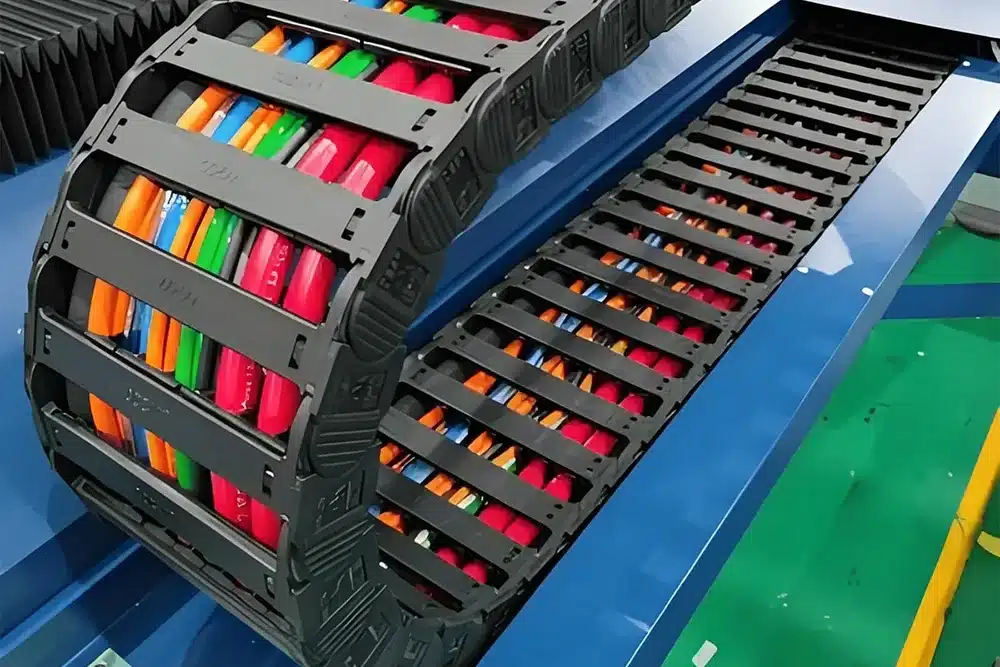
Standard heat-resistant cable is good for use in static installations with a wide routing. For continuous flexing, such as in robotic arms or in tight spaces, however, fine-stranded conductive cables can be constructed from silicone, giving superior bend radius and fatigue resistance, and minimizing failures in motion applications.
Compliance, Certification and Project-Specific Standards
Cables for catalogs are standard UL, CE, TÜV or RoHS marked, or can be custom silicone cable engineered for use in specific applications such as FDA related hygiene or industry specific testing. Hulk has 35 + certifications to ensure compliance to the global market.

When Standard Heat-Resistant Cable Is Enough
Moderate High Temperature with Simple Routing
In warm environments or for fixed wiring installations where temperatures are below 125-150°C and there is little movement, standard heat resistant cables offer the cost effective reliability without overspecification.
Cost-Sensitive Projects and Widely Available Configurations
With limited budgets and strict lead times, easily available catalog selections allow for procurement to be made easy and provide basic performance for non-critical applications.
Projects with Broad Tolerances and Non-Critical Motion
Where failure risks are relatively low, and conditions are relatively predictable, standard cables are practical.
When Custom Silicone Cable Is the Better Choice
Temperature Extremes and Tight Safety Margins
Custom silicone designs with optimized thickness and compounds are ideal for applications above 150-200°C or for applications that have large thermal margins.
Complex Geometry, Tight Bend Radii and Continuous Motion
High Flex Custom Silicone Cables designed to withstand millions of cycles are ideal for robotics, CNC machines and automated systems that are dynamic in motion.
Project-Specific Electrical, Mechanical and Environmental Requirements
Custom solutions by the professional manufacturers such as Hulk provide superior options when you require special conductor combinations, special shielding, LSZH jackets, or hybrid constructions as compared to generic options.

Building a Simple Decision Framework – Standard vs Custom Silicone
Step 1 – Define Your Temperature and Motion Profile
Measuring continuous/peak temperatures and the type of movement (static, occasional flex or continuous flex).
Step 2 – Assess Environment and Access Constraints
Consider chemicals, moisture, UV, and access for maintenance. Where harsh conditions with difficult replacement is involved, custom durability is favored.
Step 3 – Match Project Criticality and Compliance Needs
Consider safety issues and standards. Custom engineering is often the answer during a critical situation.
| Scenario | Standard Heat-Resistant Cable | Custom Silicone Cable |
| ≤125°C, static, benign environment | Usually sufficient | Generally not required |
| 150–200°C, static, clean environment | Silicone catalog option | Optional (for margin) |
| 150–200°C, continuous motion & tight bends | Often inadequate | Recommended high-flex silicone |
| Harsh chemicals + high temp + special standards | Often partial fit only | Custom silicone / hybrid design |
Working with Cable Manufacturers on Custom Silicone Designs
What Information to Share for a Custom Design
Specify temperature, environmental exposure, motion, electrical loads, routing etc., and certification requirements. With this, Hulk’s team manages to provide speedy 7-day samples.
Balancing Cost, Lead Time and Performance
Custom options requires the investment upfront, but in the long-term, they decrease the overall ownership expenses due to fewer failures and improved uptime in demanding applications.
Choosing the right option really is a trade off between your particular circumstances and performance, compliance and life cycle value. Our 15,000㎡ production workshop combined with lean manufacturing not only provides you with reliable standard heat-resistant cables, but also produces fully customised high-temperature silicone cables designed to promote your success. Discuss your project requirements with our engineers for advice specific to industrial automation, robotics and more.