In tough industrial environments where other cables like PVC or XLPE would fail from exposure to high temperatures, mechanical stress, and harsh conditions, silicone cables are the ideal choice. High-temperature silicone cables operate reliably, flexibly and electrically from –60°C to +200°C (and higher for brief periods). We at Hulk Electric have been assisting manufacturers in over 30 countries with their silicone cable specifications for various applications from steel mills to HVAC.
This guide delves into the best-of-breed real-world cases for silicone cables to ensure engineers and procurement teams understand where silicone cables are most likely to provide the most benefit in terms of uptime, safety, and durability.
Why Silicone Cables Excel in Demanding Industrial Environments
High temperature silicone cables provide exceptional heat resistance and chemical resistance as well as high flexibility. Silicone insulation remains soft and flexible through thermal cycling and vibration, without becoming brittle; it also performs consistently over the years when exposed to heat, oils and cleaning agents.
At Hulk Electric, we’ve seen silicone cables work well in situations where other cables would fail with high heat, motion and in confined areas, typical applications in heavy industry, processing and building systems. They also have halogen-free, fire-retardant variants that meet higher requirements for safety and environment.
Steel Mills, Smelteries, and Hot-Rolling Operations
Radiant heat from furnaces, molten steel and vibration are just some of the pressures that steel production environments put on cables.
Power and Control Wiring Near Furnaces and Hot Zones
Silicone cables can withstand ambient temperatures and radiant heat in blast furnaces, coke ovens and hot-rolling lines that far exceed the limits of PVC. They are used as a reliable power and control cable for motors, sensors and instrumentation in these critical areas.
Moving Equipment and Crane Systems in High-Heat Areas
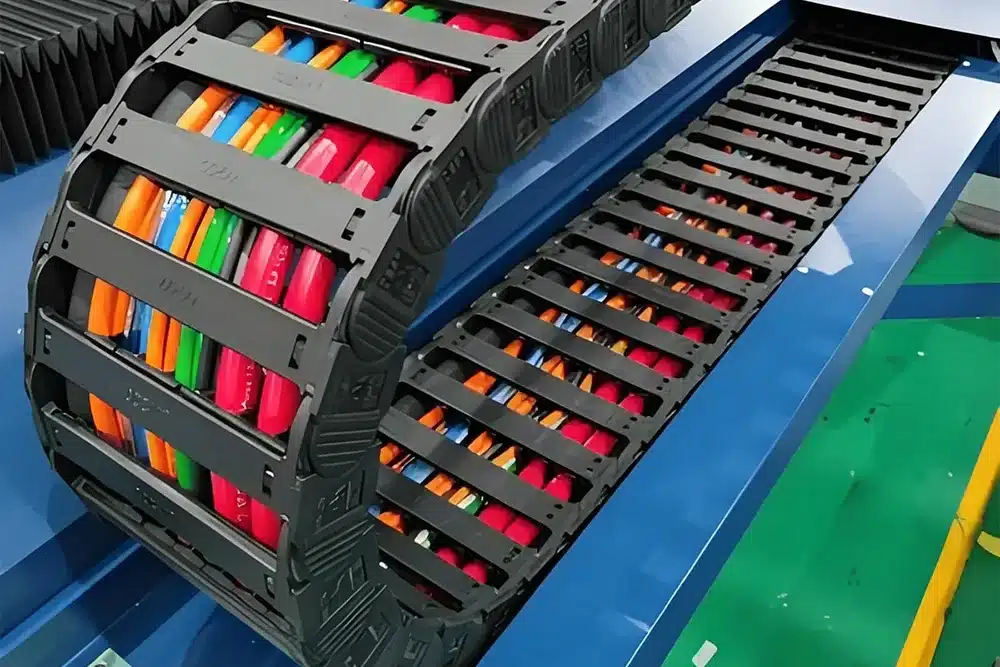
Cables in steel mills must flex back and forth without breaking at the controls, cable carriers, motor leads and in the crane. Silicone’s high torsion and bend radius also makes it the most popular material for dynamic use in hot environments, resulting in less maintenance and unplanned downtime.

Glass, Ceramics, and Cement Production Lines
Sustained hot challenges are faced in glass and ceramics plants by kilns, furnaces, and thermal processing equipment.
High-Temperature Process Equipment and Kilns
When temperatures often exceed 150-200°C in kilns and ovens, silicone cables may be used for reliable wiring for control systems, heaters and sensors. They are also more stable under repeated thermal cycling than conventional cables are, which prevents insulation breakdown.
Sensors, Instruments, and Ignition Cables Around Hot Processes
In cement plants and ceramic production, the low smoke generation and continuous flexibility of silicone are well suited for the precise wiring of sensors and for ignition systems, assuring the correct transmission of the measured values and safe operation near hot surfaces.

Industrial Ovens, Heating Systems, and Food & Beverage Equipment
Silicone cables can be used for large-scale ovens as well as food processing lines and offer heat resistance and hygiene.
Internal Wiring in Ovens, Heaters, and Industrial Appliances
Silicone cables are best suited for internal wiring within high-temperature industrial ovens, heater banks and oil burners where enclosed temperatures require materials that are not degradable nor emitting harmful substances.
Heat-Resistant Cabling in Food and Beverage Processing
Food-grade silicone cables deliver thermal performance and are compatible with food in food plants, and can be used in washdown areas and during cleaning cycles.
HVAC, Refrigeration, and Air-Conditioning Systems
The large temperature fluctuations and vibration that are common with HVAC installations are difficult to meet the requirements of conventional cables.
Cabling Near Heaters, Compressors, and Hot Ducts
Silicone cables can consistently be used with fan motors, sensors and controls near hot ducts and heaters, since they’ll not degrade from thermal expansion or contraction.
Air-Conditioning, Coolers, and Mixed Hot–Cold Environments
Silicone cables are a good choice for refrigeration or mixed environment HVAC applications because they can withstand low-temperature cold starts and can operate at high temperatures.

High-Temperature Lighting and Illumination
Wiring fixtures used in enclosed lighting produce much internal heat which can cause harm to standard wiring.
Lamps, Floodlights, and Enclosed Lighting Fittings
For high wattage lamps, floodlights, industrial lighting fixtures with high enclosure temperature, silicone cables are used for safe long lasting internal wiring.
Industrial and Outdoor Lighting Near Hot Processes
Silicone cables offers heat, UV and vibration resistance for dependable lighting in foundries, mills and outdoors hot processes.

Automotive, Rail, and Transportation Systems
Engine Compartments and Under-Hood Harnesses
Silicone cables are used in vehicles and heavy equipment where they are exposed to the heat, vibration and fluids of the engine bay in power, sensor, and ignition applications.
Rolling Stock and Transport Equipment
Silicone cables are used in modern rail and transportation systems for flexible, heat-resistant wiring to strict safety standards.
Power Plants, Renewable Energy, and Other High-Heat Installations
Power Generation and Distribution in Hot Areas
In power plants where thermal radiation and ambient heat are high, silicone cables can be used for these critical wires.
Solar, Wind, and Outdoor High-Temperature Runs
Silicone cables are used in renewable energy systems to withstand a combination of heat, UV exposure and weather conditions, and ensure long-lasting electrical performance.
How to Decide If Silicone Cable Fits Your Industrial Application
Consider these key factors when evaluating silicone cables:
- Thermal envelope: Uninterrupted operation up to 180-200°C, short-term peaks to higher temperature possible
- Mechanical profile: Dynamic motion, a tight bend radius, or vibration
- Environment: Heat and moisture, mild chemicals, or UV exposure
In the most severe chemical conditions, specific chemicals might be required.
Our engineering staff closely collaborates with our clients and their requirements in order to create a custom specifically engineered high temp silicone cable solution which meets your operating conditions, certifications and performance requirements. Our 15+ years of experience and comprehensive in-house competencies yield trusted cable solutions that help plants minimize downtime and boost safety.
Submit your application details and we will supply you with the best option for silicone cable in your project.