In the challenging environment of high-temperature wiring, selecting the right insulation is a critical factor. The choice between silicone cable or a PTFE, PFA or other high-temperature wire can be the difference between an expensive failure due to heat degradation, cracking or chemical attack, or reliable, long-lasting performance. These are the decisions we face on a daily basis at Hulk Electric in our various robotics and automation, process plants and specialized equipment projects.
This guide provides an overview and comparison of silicone rubber insulated cables to PTFE, PFA, and other fluoropolymer cables on various important performance attributes. It offers a practical guideline to match the insulation to your specific temperature, mechanical, environmental and budget requirements.
Overview of High-Temperature Wire Insulation Families
High temperature cables use special cables to ensure electrical performance, flexibility and safety when exposed to high temperatures. The two main families are silicone rubber, and fluoropolymers (PTFE and PFA), with a few others filling in special niches (such as FEP or glass-fiber braids).
Silicone Rubber Insulated Cable – Core Characteristics
Silicone rubber is highly flexible over a broad temperature range, typically between -60°C and +200°C for continuous service, and a few types for short-term use. Silicone insulated cable is also extremely flexible, and will maintain its suppleness even in dynamic applications, which is a major consideration when movement, limited space for routing or vibration are present. It has excellent electrical characteristics, and is also economical for numerous industrial applications.
PTFE, PFA and Other Fluoropolymer Wires – Core Characteristics
Polytetrafluoroethylene (PTFE) and perfluoroalkoxy (PFA) wires offer exceptional resistance to extreme heat, with some models capable of continuous use up to 250-260°C in certain applications. These fluoropolymers have excellent chemical resistance and dielectric stability as well as a higher degree of stiffness than silicone. They are ideal for use in static or semi-static installations which demand maximum thermal and corrosion resistance.
Temperature Range and Thermal Performance – Silicone vs PTFE/PFA
When choosing between filters, the first filter that is typically considered is the temperature rating.
Continuous Operating Temperature and Short-Term Peaks
Moderate high heat silicone cables are capable of maintaining flexibility and performance at a moderate level up to approximately 200°C. The wires have no significant degradation at 250-260°C or greater, which is suitable for hot areas such as industrial ovens or semiconductors. For real-world duty cycles, always use continuous ratings first.
Thermal Cycling, Soldering and Local Hot Spots
Both materials are not easily melted during soldering, but behave differently in repeated cycling. Silicone is more elastic in moderate temperature changes while it moves around. On the other hand, fluoropolymers such as PTFE/PFA provide excellent stability at extreme peaks and in challenging chemical environments, but may have a tendency to become cold flow or stiff in very dynamic applications.
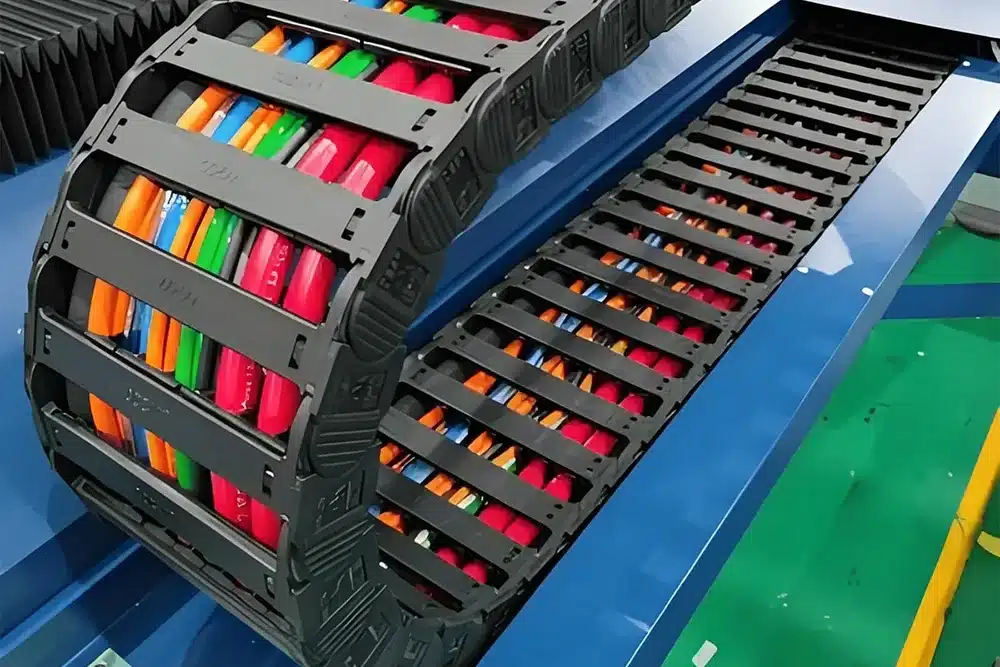
Image: High-temperature cabling installed near industrial heaters and process equipment, illustrating real-world thermal demands.

Flexibility, Handling and Installation Constraints
Wear and tear can frequently be the deciding factor between silicone and fluoropolymers.
Flexibility in Dynamic and Tight-Space Applications
Silicone insulated cable really excels in this. It remains very flexible at both low and high temperatures, allowing for very tight bend radii, repeated motion, or robotics, drag chains and automotive harnesses. PTFE/PFA wires are also harder, but stiffer, which may make them more difficult to route in tight areas or when flexed frequently.
Stripping, Termination and Handling Differences
Silicone rubber strips easily and does not harm conductors during the assembly procedure. Fluoropolymer insulations are stronger against abrasion, but are harder to nick and need sharper tools to handle. Silicone can also help to speed up installation and minimize errors in high volume production environments requiring tight bends.
Chemical, Environmental and Mechanical Resistance
Long term reliability is determined by environmental exposure.
Chemical Resistance in Harsh Industrial Environments
For attacking high temperature chemicals, oils, solvents and acids, the choice is PTFE and PFA. Silicone is resistant to most materials, but can swell or deteriorate more rapidly when exposed to certain petroleum-based oils or strong caustics, so use fluoropolymer if the application is a chemical processing or a semiconductor line.
UV, Moisture and General Outdoor Exposure
Both families are moderately resistant to moisture and UV, but further jacketing or compounds can improve the performance in the outside environment. Silicone is flexible for use in mobile or vibrating equipment outdoors, PTFE/PFA is useful in static or polluted environments.
Abrasion and Mechanical Toughness
Typically, fluoropolymers provide improved cut-through and abrasion resistance, particularly at temperature. In areas of high conductor wear, silicone is protected by extra wear-resistant braids or jackets, but where gentle handling of conductors becomes an important factor silicone is a superior product.
Electrical Performance and Signal Requirements
Voltage Rating and Dielectric Strength
PTFE and PFA may be able to withstand higher voltage ratings and have greater dielectric strength, making them suitable for high-voltage or precision applications. For low to medium power and control circuits, silicone cables are also extremely suitable for use, if flexibility is a requirement.
High-Frequency and Precision Signal Integrity
PTFE/PFA fluoropolymer wires are the most common for high frequency, RF, or low loss signals. Silicone is recommended for general, sensor and motor leads used in hot and moving conditions.
Cost, Availability and Compliance Considerations
Cost and Budget Trade-offs
For moderate high temperature flexible applications, silicone cables usually offer a more desirable combination of performance and cost. PTFE and PFA wires are considerably more expensive, often several times, so only use these wires when they are needed to meet project requirements.
Standards and Certifications (UL, CSA, MIL-SPEC, etc.)
Check UL, CSA, RoHS, REACH or industry approvals. Hulk Electric products are high-temperature silicone cables that are capable of meeting major international standards, and therefore provide customers with confidence in their sales.
Practical Selection Framework – When to Choose Silicone, PTFE or PFA
Matching Material to Temperature, Movement and Environment
- Use silicone cable when moderate high heat (up to ~200°C) or high flexibility, tight routing, vibration, or dynamic applications such as robot arms, servo motors or food processing applications are required.
- Use PTFE or PFA wire for high voltage, high frequency or for more static applications like chemical plants, semiconductor tools or aerospace harnesses in extreme temperature applications (250°C+), or in situations where a chemical is present that is aggressive to the wire.
- For silicone’s flexibility and added protection, try hybrids or jackets!
Questions to Ask Before Finalizing Insulation Choice
- What is the highest temperature ever recorded in one day and the highest temperature ever recorded?
- Will the cable be bent or vibrated often?
- What sorts of chemicals and liquids will it come into contact with?
- Are there any voltage or signal requirements?
- What is the value of cost, assembly and overall lifecycle value?
Working with Cable Manufacturers to Confirm the Best Insulation
The selection of the right supplier speeds up the right partner even if a good structure exists. Provide the complete application profile of temperature profile, movement, environment, electrical requirements and certifications, and we can suggest optimized silicone or fluoropolymer solutions, many of which can be custom engineered.
Sharing Real Application Profiles and Getting Recommendations
Our team at Hulk Electric has years of experience in high temp cables and can offer the best recommendations for the insulation that would work best for your needs, and offer samples and support in testing.
Prototyping, Testing and Long-Term Support
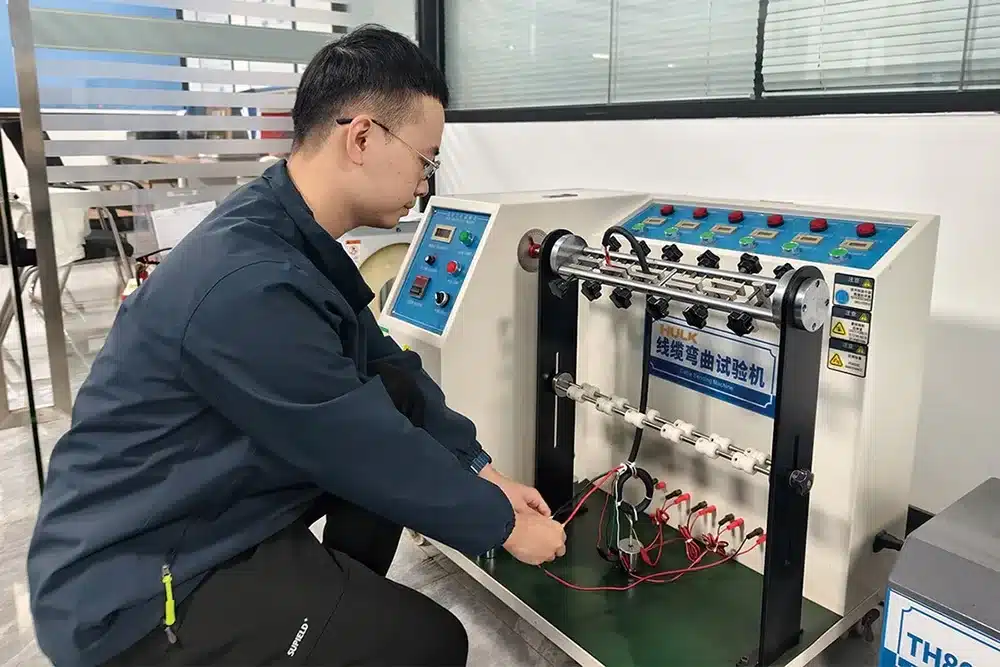
Seek prototypes for thermal cycling, chemical exposure and mechanical trials. Long term traceability and quality systems guarantee the performance of your production lines.
The decision between silicone cable and high-temperature wires (PTFE/PFA) ultimately depends on your operating environment and considering the pros/cons of each type of cable. Instead of single specs, engineers focus on real duty cycles, which results in safer, more reliable and cost-effective installations.
When you’re considering a project you want to start, let the Hulk team know your parameters. Our expertise is in high flexible, high temperature silicone cables and we can help you choose the insulation that will work best with your surroundings.