The nervous system of the modern industrial automation is sensor cables. For plants that use PLCs, robots, servo drives and machine vision systems, these cables deliver accurate signals from sensors and actuators. Common sensor cable issues include mechanical wear due to vibration, chemical degradation, and poor routing, which can all present as “sensor failure,” resulting in intermittent signals, false readings and unplanned downtime.
We have 15+ years of experience in high-flexible sensor and actuator cables and assisted manufacturers in 30+ countries to reduce these problems with the right solutions. This guide provides hands-on information on how to determine the most common problems and how to diagnose them at an early stage.
Why Sensor Cable Problems Matter More Than You Think
A major share of automation failures in the industrial setting is due to sensor problems. It’s important to note that many problems with the sensors are caused by issues with the cabling, not the sensor itself.
Sensor Issues Drive a Large Share of Automation Breakdowns
Cables often suffer from degradation due to various factors, including vibration, moisture exposure, chemicals, and improper installation, which can lead to inaccurate readings or even signal loss. These issues can proliferate quickly in high cycle applications such as robotics or material handling.
Downtime and Hidden Costs of Cable Malfunction
Unplanned stops impact output, product quality (particularly in food & beverage), and impact OEE metrics. If a cable fails in an important line it can cause hours of lost production, plus man hours to investigate.
Common Sensor Cable Problems in Industrial Plants
Knowing the common causes of failure allows maintenance staff to take some proactive measures.
Loose Terminals and Faulty Wiring
Vibration causes loose terminals and connections and can result in intermittent faults, frequent signal dropouts or nuisance alarms that are difficult to locate.
Cable Stress, Routing, and Bend Radius Violations
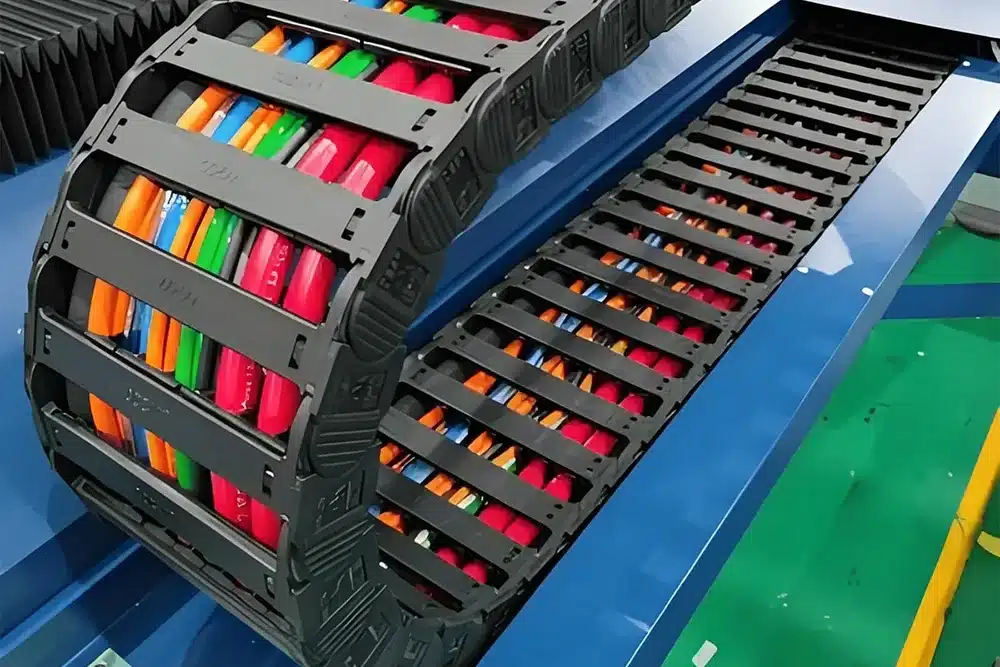
In drag chain and torsion applications typically found in robotics and CNC applications, conductor fatigue and cracking of the jacket can occur at sharp corners or when tension is placed on the conductor without enough strain relief or when routed near moving parts.
Insulation and Jacket Degradation
Oils, coolants, caustic cleaners (in washdown areas) and extremes of temperature cause swelling, cracking, or hardening of the jacket and insulation. This affects the integrity of the signal and introduces contamination hazards.
Improper Cable Selection and Shielding
In noisy environments with VFDs or near power lines, non-shielded or general-purpose cables will add EMI which will lead to sensor noise and erratic sensor responses. Low temperature and/or chemical ratings cause accelerated wear.

Early Warning Signs of Sensor Cable Problems
Monitor these symptoms at the PLC, HMI or on the field to catch problems before they reach total failure.
Intermittent or Unstable Signals
A ghost detection, random PLC faults or a fluctuating reading in the reading will likely indicate a loose connection or problem in the cabling, not the sensor.
Drift, Noise, and Loss of Linearity
If the signal drift occurs in a gradual manner or if noise levels have risen over time, it is a sign of lost insulation or shielding problems.
Nuisance Alarms and False Trips
Alarms that are repeatedly triggered without process faults may indicate cabling issues, particularly when they are associated with machine movements or cleaning cycles.
How to Diagnose Sensor Cable Problems Before Downtime
Use this step-by-step process for efficient troubleshooting.
Step 1 – Gather Symptoms and Event Data
Analyse PLC logs, HMI alarms and historian data to observe trends: timing, machine position, environment.
Step 2 – Visual Inspection of Cables and Connections
Search for loose connectors, moisture/chemical ingress, abrasion, discoloration of the jacket, crushed areas or poor bend radii. Verify strain relief and routing of drag chains.
Step 3 – Electrical Testing and Signal Verification
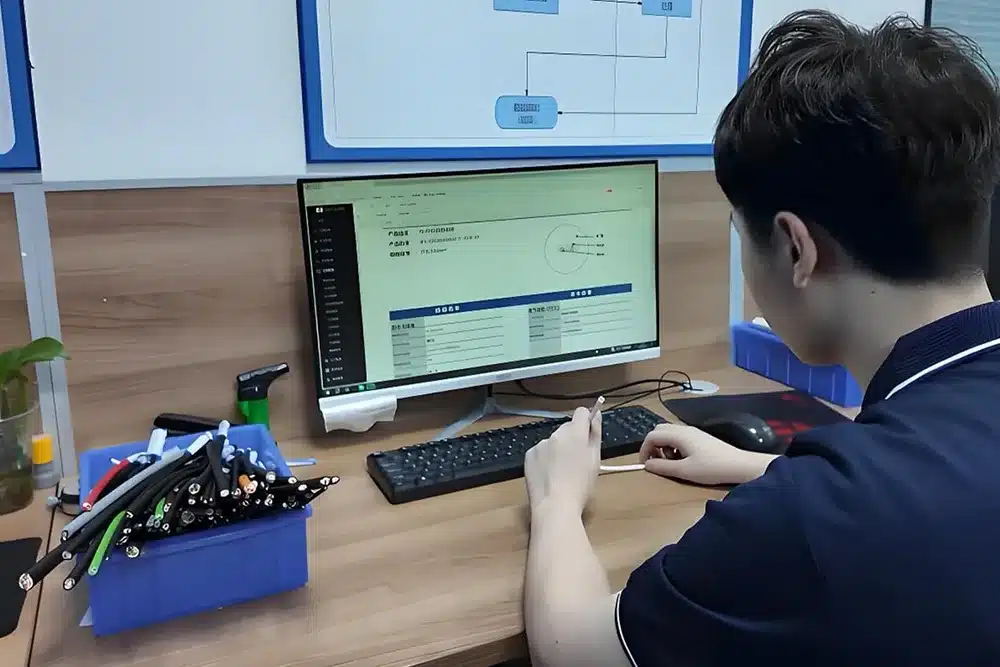
Test continuity, insulation resistance and supply voltage with a multimeter. A signal distortion or noise can be detected using an oscilloscope. Check grounding and shielding effectiveness.
Step 4 – Check Cable Selection and Routing
Check the cable is suitable for the application (e.g., high flex, shielded, chemical resistance, temperature range). Evaluate distance from power lines & EMI sources.

Preventive Practices to Catch Cable Problems Early
In high uptime plants, prevention is better than reaction.
Scheduled Cleaning, Tightening, and Inspection
Make regular visual checks, torques and thermographic scans of cabinets. Check the sealing of jackets in washdown areas after a wash cycle.
Routine Cable Integrity Checks
Be alert to early wear in high-motion areas and keep track of replacement cycles to make improvements to specifications.
Improving Design to Reduce Future Problems
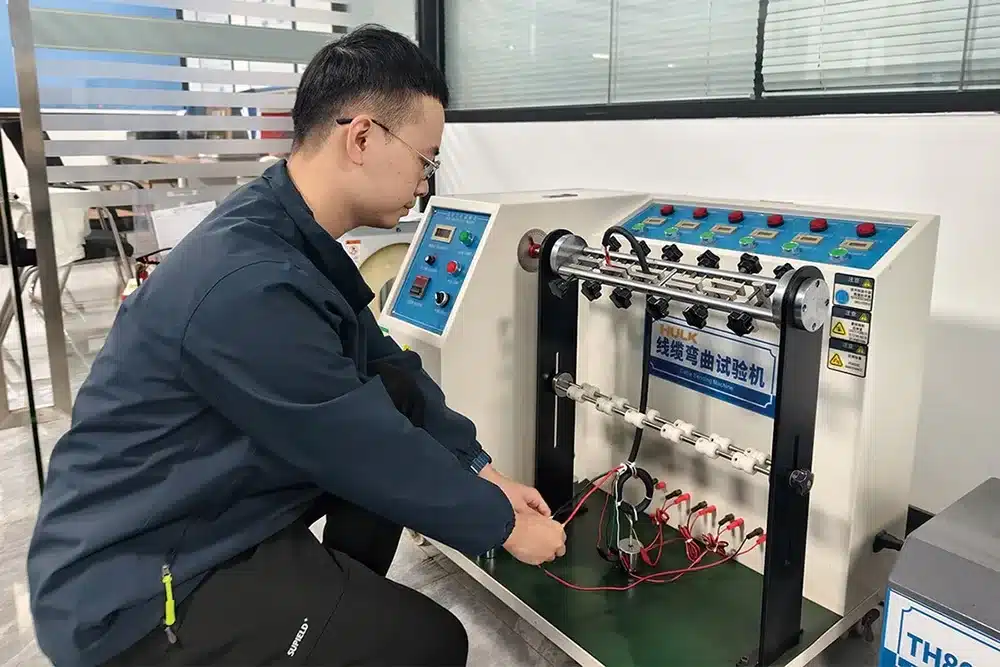
Use high flex sensor cables that are well-sheathed, reinforced (PUR or special compounds), and are stranded to suit your specific motion needs. The sensor & actuator cables are designed with care for these challenging environments, including variants of IO-Link.
Example Scenarios from the Field
Conveyor Line with Intermittent Position Sensor Faults
Mis-sorts were caused by the loose terminals and parallel routing of cables to the motor power lines. Diagnosis included visual inspection, tighten, reroute and provide shielding.
Washdown Area with Repeated Cable Failures
Common cables were short-lived when used with caustic cleaners. Chemically resistant, high-flex designs proved to be a major factor in dramatically extending service lives.
Aging Instrument Loops with Drift and Noise
Drift was caused by degraded insulation. The accuracy was restored with the trend analysis and by replacing the critical runs proactively.
Design Checklist – Catching Sensor Cable Problems Before Downtime
- Environment and Selection: Is the cable designed for the intended application? (Has it got the right flex life, shielding, jacket material, and certifications for vibration, chemicals, and temperature?
- Installation and routing: Proper bend radiuses, strain relief, separation from power lines, secure connectors?
- Maintenance and Diagnostics: Regular inspections, logging and high quality replacement cables, such as those from Hulk, like industrial sensor lines?
inspecting and specifying for sensor cable problems, plants will have higher uptime and lower total costs in avoiding problems at a later stage.
Hulk Electric’s high-flexible sensor & actuator cables, including IO-Link compatible, are designed and tested for the most demanding industrial applications, with certifications and testing from around the world. Provide application information and our staff can suggest relevant solutions that will perform reliably cycle after cycle.