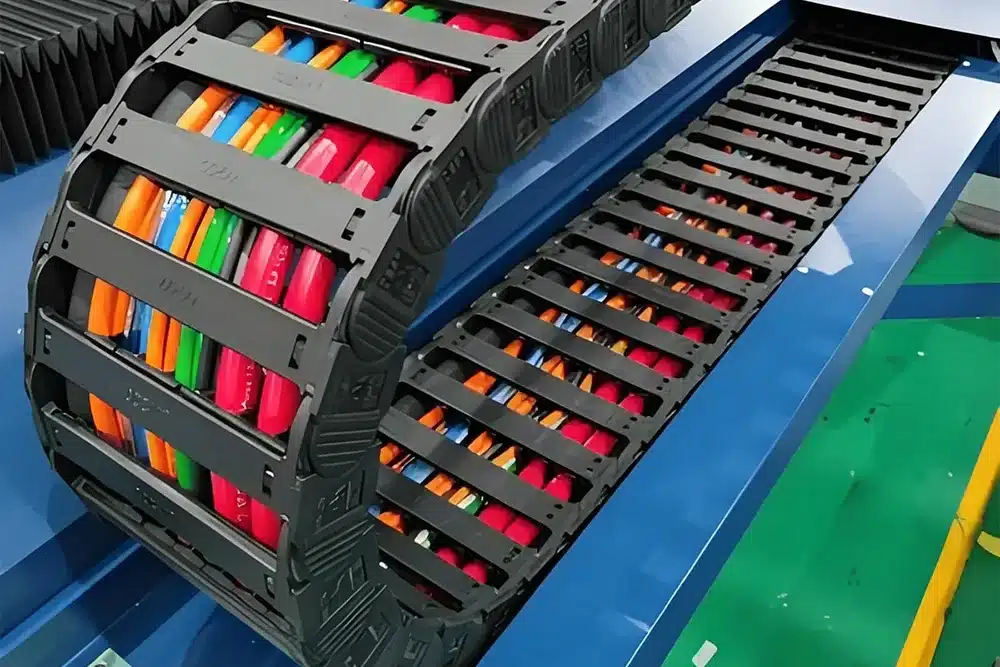
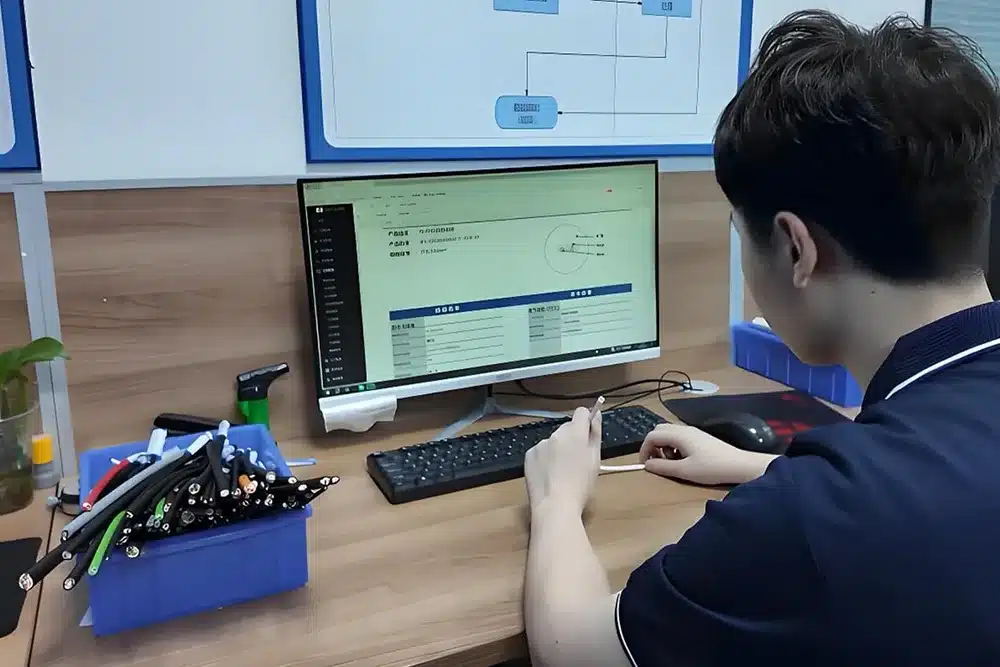
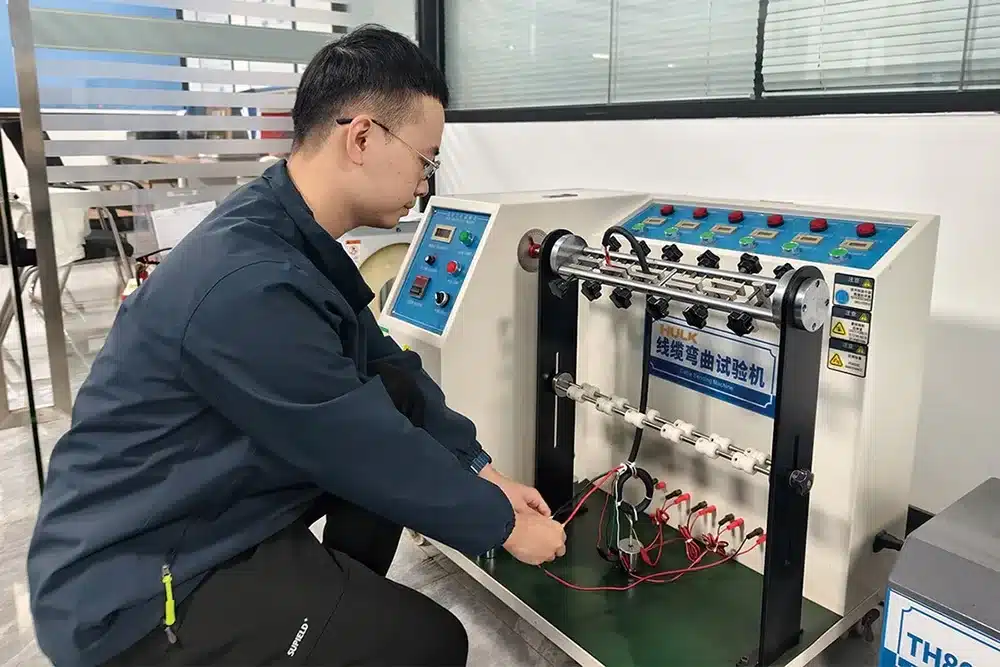
Today’s fast-paced logistic environment relies on dependable sensor cabling for material handling, conveyor systems and automated warehouses as the backbone of its operation. These cables carry essential signals from a range of photoelectric sensors, proximity switches, encoders and vision systems and withstand constant flexing, vibration, dust and electromagnetic interference from nearby drives. The correct cabling can avoid unnecessary downtime and guarantee accurate material flow every day.
In the automation arena, we’ve seen many warehouse operators and automation integrators select long-lasting sensor and actuator cables, and at Hulk Electric, we can help you do the same. Here are some practical tips on mechanical, electrical, and environmental issues to keep in mind while creating a reliable sensor cabling solution.
Why Reliable Sensor Cabling Matters in Material Handling Automation
Concentrated sensor networks are essential for modern warehouses and distribution centres to control conveyors, sorters, AGVs and AS/RS shuttles. However, numerous unplanned stops are caused not by software or mechanical issues, but by cable failure caused by repetitive stress.
Sensors as the Eyes of Conveyor and Warehouse Systems
Sensors sense objects, measure their speed, position and make safe automated routing. Even the most sophisticated sensors cannot effectively provide reliable data to PLCs and control systems if there is no reliable cabling.
Downtime Often Traces Back to Cables
A single sensor cable outage can cause a conveyor line or entire AGV fleet to come to a standstill in high throughput facilities. These risks are substantially mitigated and predictive maintenance programs are helped by using high-flex, appropriately protected cables.
Mechanical and Environmental Demands on Sensor Cables
Cables in material handling applications are subjected to harsh environments, which they cannot withstand with a generic cable.
Continuous Motion, Vibration and Flex Cycles
Millions of bending cycles are placed on conveyors, robotic pick stations, and AS/RS shuttles each year. High-flex sensor cables with optimized designs for stranding and jacket are more capable of holding their integrity for a longer time than standard cables.

Exposure to Dust, Oils and Temperature
Today, many systems are based on IO-Link, Ethernet or fieldbus communication protocols. The bandwidth of the sensor cabling should support the necessary bandwidth, should have a stable impedance and should not lose signal over distance.
Electrical Requirements – Data Integrity and EMI Resilience
Sensor signals must remain clean and timely even in noisy industrial settings.
Fast and Reliable Data Transmission
Many systems now use IO-Link, Ethernet, or fieldbus protocols. Sensor cabling must support the required bandwidth with stable impedance and minimal signal loss over distance.
EMI from Drives and Motors
Variable frequency drives and motors generate electromagnetic noise. Shielded twisted-pair constructions and careful routing away from power lines help maintain signal integrity for reliable sensor performance.
Cable Selection Criteria for Conveyors and Automated Warehouses
Take note of these specifications and use these to match cables to the application.
Flexibility and Flex Life
Choose continuous flex cables with the correct bend radius that are rated for 5 million to 10+ million flex cycles. The high flex sensor cables of Hulk are ideal for these tough linear and torsional ranges of motion.

Connectors for Vibration-Resistant Connections
M8 & M12 locking connectors with metal or strong plastic body will not loosen in continuous vibration environments such as conveyor and AGV applications.
Jacket Materials and Bend Radius
PUR jackets are extremely resistant to oils and abrasion and have excellent flexibility. Respect the minimum bend radius when installing and moving dynamically always according to the manufacturer’s specifications.
Sensor Cabling Across Different Material Handling Systems
Cabling is used in different subsystems and meets with different requirements.
Conveyor Belts and Roller Conveyors
Cables need to run smoothly between frames and through moving parts, and must not be damaged by contact with packages or debris.
Automated Storage and Retrieval (AS/RS) Systems
Extreme flex and acceleration of shuttles. Here, high cycle torsion and drag chain compatible sensor cables are crucial.
AGVs and AMRs
Mobile robots need ultra-flexible, lightweight cabling that can tolerate repeated changes in direction, vibration and potential impact without the loss of sensor data for navigation and safety purposes.

Connectivity Portfolios and Sensor Cabling Architectures
Sensor-Actuator Cables and Field Connectivity
The standardized sensor-actuator cables, junction blocks and IO modules make the installation and maintenance of conveyor lines and automated systems easy.
Modular Cable Assemblies and Junction Blocks
There is little downtime to replace any damaged modules without rewiring entire zones while using a modular design.
Example Issues and How to Avoid Them
Typical issues involve flex fatigue, loss of signal due to EMI and connector loosening. Most of these problems can be addressed by upgrading to purposebuilt high flex cables, using suitable strain relief and locking connectors.
Design Checklist – Reliable Sensor Cabling for Material Handling and Automated Warehouses
- Use the formula to work out expected flex cycles and choose cables that are well above the duty cycle.
- For oil/abrasion resistant jackets, opt for PUR or TPE.
- Employ shielded constructions and appropriate routing to avoid EMI
- Consider standardizing the connectors of the system to M8/M12.
- Check minimum bend radius and provide sufficient strain relief.
- Collaborate with seasoned manufacturers for personalized lengths and assemblies
The choice of the correct sensor cable with reliable performance in material handling, conveyor systems and automated warehouses results in measurable benefits in terms of uptime, safety and operational efficiency. We have specialized in high flex sensor actuator cables, industrial Ethernet and custom engineered solutions, and have been rigorously tested and globally certified.
Bring your layout, cycle needs or your AGV specifications to our team and we will recommend or develop cabling performance that will work well in your specific application.