Overseas custom cable manufacturers offer significant advantages in capacity, specialized production know-how, and cost efficiency for industrial automation, robotics, and servo applications. However, successful outcomes depend on engineering teams providing complete, precise information upfront in the RFQ. Vague requests often result in misquotes, multiple clarification rounds, production delays, or cables that fail in real-world motion, chemical exposure, or compliance audits.
This guide outlines exactly what to prepare before contacting overseas suppliers. Clear application details, technical specifications, compliance requirements, volume timelines, logistics preferences, and communication protocols help secure accurate pricing and reliable partners—especially for high-flex, servo, robot torsion, and high-temperature silicone cables.
Defining the Application and Use Case Before Contacting Overseas Manufacturers
Overseas manufacturers excel when they understand the full operating context rather than just part numbers. Providing this context early allows them to recommend optimal constructions, materials, and testing.
Describe Where and How the Cable Will Be Used
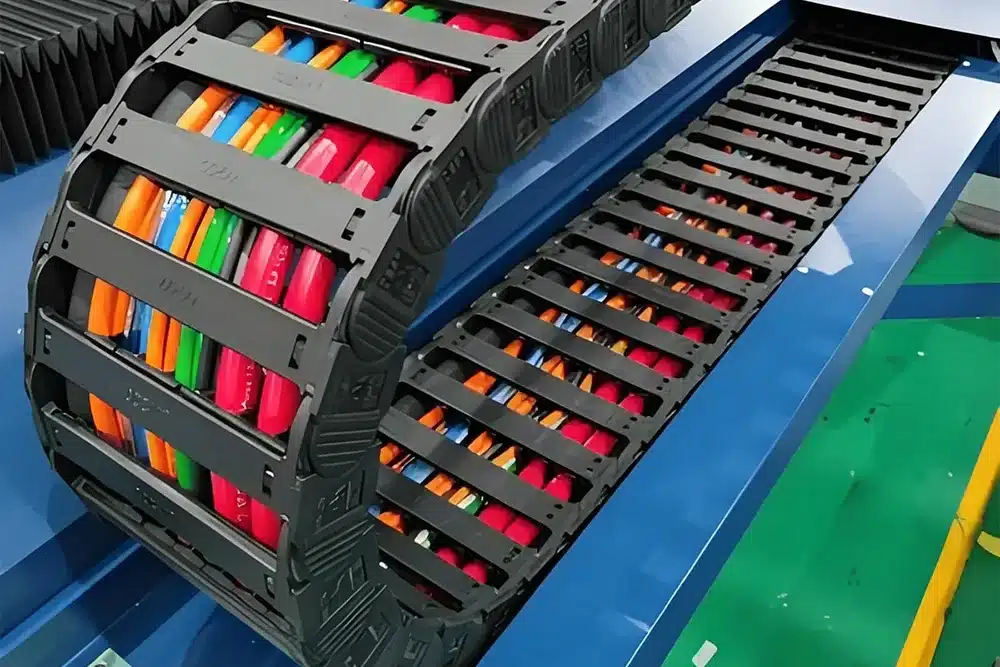
Specify the equipment type (e.g., multi-axis robot, drag chain system, CNC machine tool, control cabinet, or AGV), motion profile (continuous flex, torsion, bending, static), environmental factors (oil mist, coolants, high temperatures up to 200°C, washdown, outdoor UV), and expected duty cycle (millions of cycles). This information guides jacket compounds, shielding, and strain relief choices for reliable long-term performance in demanding automation environments.
Clarify Electrical Function and Signal Types
State whether the cable carries power, control signals, analog, digital I/O, Industrial Ethernet (PROFINET, EtherCAT), Fieldbus, encoder feedback, or hybrid combinations. Detail voltage, current, and any impedance or data rate requirements. This drives conductor sizing, twisting, pair separation, and shielding configurations to maintain signal integrity and EMC performance.

Preparing Detailed Technical Specifications and Drawings
Complete documentation minimizes back-and-forth and ensures quotes reflect actual production feasibility. Engaging early with suppliers that offer strong custom cable design services further reduces iteration cycles.
Cable and Assembly Drawings, BOM and Pinouts
Include dimensional drawings or clear sketches showing overall length, jacket OD, conductor gauges, pair/triad counts, connector types, pin assignments, and any custom labeling. A Bill of Materials (BOM) with performance specifications (when exact part numbers are not fixed) plus photos of existing cables accelerates accurate quoting.

Electrical Requirements: Voltage, Current, Impedance, EMC Considerations
Document voltage and current ratings, impedance needs for data cables, shielding effectiveness expectations, and required tests such as hi-pot, continuity, and insulation resistance. Overseas teams rely on these to avoid over- or under-engineering the cable.
Mechanical and Environmental Requirements in Quantitative Terms
Provide specific values: minimum bend radius, flex cycle counts (e.g., 5–10 million), torsion angles and directions, operating/installation temperature ranges, chemical exposure (hydraulic oils, cleaners), and IP ratings. Quantitative details allow precise material and construction recommendations rather than generic assumptions.
Compliance, Certifications and Country-of-Origin Requirements
Different markets impose varying standards. State these clearly so manufacturers can confirm capabilities and documentation.
Electrical and Safety Standards (UL, CE, IEC, NEC, etc.)
List required markings such as UL/cUL, CE, TÜV, IEC, or VDE. Ask whether the supplier maintains relevant files and can provide supporting test reportsfor your target markets.

Environmental Compliance (RoHS, REACH, Prop 65, Industry-Specific Rules)
Specify substance restrictions, food-grade or medical requirements if applicable, and any regional rules. Early disclosure ensures appropriate halogen-free, low-smoke, or other specialty compounds are selected.
Country-of-Origin and Trade Requirements (TAA, Government Contracts)
For programs requiring specific origins or tariff preferences, include these constraints so the manufacturer can confirm eligibility.
Defining Quantities, Phases and Timelines for Prototypes and Production
Clear volume and schedule information enables realistic MOQ, pricing tiers, and lead time proposals.
Separate Prototype, Pilot and Series Production Volumes
Distinguish small prototype runs (5–20 pieces), pilot batches (50–100+), and full production forecasts. This helps suppliers select appropriate tooling and processes.
Provide Desired Timelines and Flexibility Windows
Share target dates for samples, approvals, and start of production, noting hard deadlines versus flexible ones. Account for material sourcing and international shipping.
Share Forecasts for Ongoing Production Where Possible
Quarterly or annual forecasts allow better capacity planning and more stable pricing and availability for repeat orders.
Packaging, Shipping and Logistics Preferences
Overseas sourcing requires upfront logistics clarity to avoid surprises in cost or delivery condition.

Packaging Requirements for Cables and Assemblies
Specify reel sizes, coiling methods, protective sleeving for assemblies, anti-static or moisture barriers, and labeling details.
Shipping Modes, Incoterms and Customs Considerations
Indicate preferences for air/sea, Incoterms (FOB, CIF, DAP), and any broker arrangements. This aligns cost and timeline estimates.
Documentation and Labeling Requirements for Import and Internal Use
List needed documents (certificates, test reports, packing lists) and internal labeling/barcoding needs.
Communication and Cultural Considerations When Working Across Time Zones
Strong processes reduce misunderstandings common in international projects.

Establish Clear Points of Contact and Communication Channels
Define technical and commercial contacts on both sides. Use email/shared docs for details and scheduled calls for complex discussions.
Use Structured RFQ Templates and Checklists to Reduce Ambiguity
Standardized templates covering application, specs, compliance, volumes, and logistics streamline responses.
Address Language, Time-Zone and Cultural Differences Proactively
Write clearly, confirm understanding via summaries, and avoid idioms. Follow up calls with written recaps.
Risk Management: NDAs, Quality Expectations and Escalation Paths
NDAs and IP Protection for Cable Designs
Have confidentiality agreements ready before sharing proprietary drawings or BOMs.
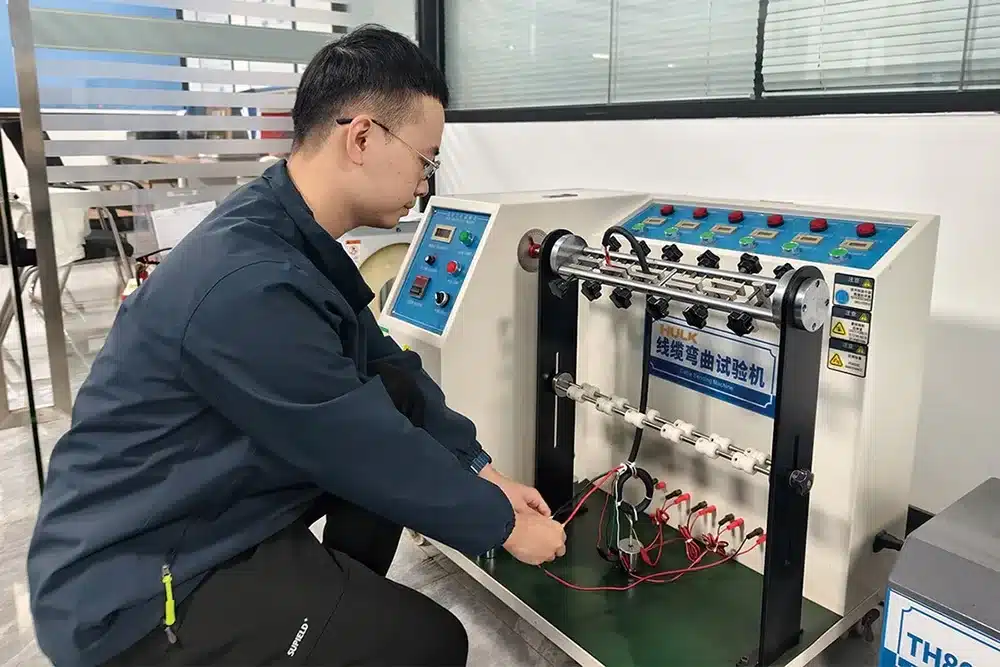
Define Quality Criteria, Testing Requirements and Acceptance Conditions
Detail expected tests, sample approval process, and acceptance criteria.
Escalation Processes for Issues and Non-Conformities
Outline reporting, root-cause analysis, response timelines, and corrective action tracking.

Practical RFQ Preparation Checklist for Engineering Teams
Documents and Data to Prepare Before RFQ
- Application description (equipment, environment, motion, signals) — helps match construction to real stresses.
- Drawings, BOM, pinouts, and existing cable photos — enables accurate quoting.
- Electrical, mechanical, and environmental requirements with test expectations — prevents performance gaps.
- Compliance and country-of-origin needs — ensures regulatory fit.
- Volume phases and timelines — supports proper pricing and planning.
- Packaging, shipping, and documentation preferences — avoids downstream issues.
Questions to Ask Overseas Manufacturers During Initial Contact
- Do you extrude cables, assemble harnesses, or both?
- Which standards (UL, CE, TÜV, RoHS, etc.) do you routinely support?
- What are typical MOQs and lead times for prototypes versus production?
- Can you share examples of similar projects and test reports?
- Who will be our technical contact for design changes and issue resolution?
For a structured framework on how to evaluate a custom cable manufacturer across capability, testing, certifications and communication, see our companion guide.
Preparing thoroughly before sending RFQs to overseas custom cable manufacturers transforms the sourcing process from reactive to controlled. Engineering teams that invest time in complete documentation typically achieve faster quoting, smoother production ramps, and custom cables that perform reliably in automation, robotics, and industrial applications.
At Hulk Electric (Dongguan) Co., Ltd., our team has supported OEMs worldwide with high-flex, servo, robot, sensor, and high-temperature silicone cables for over 20 years. Share your application details and we’ll provide targeted recommendations and samples aligned with your exact requirements.